Back pain that travels through the hips and legs can make everyday activities difficult. People considering Sciatica Treatment Kerala often want to understand the reasons behind their discomfort and find suitable medical care. Sciatica develops when the sciatic nerve becomes irritated or compressed, causing pain that may extend from the lower back towards one or both legs. With proper assessment, patients can explore treatment options that address their symptoms and support better movement.
At Dr Fazal Rehman, the focus is on understanding spinal conditions and helping patients make informed decisions about their care. Recognizing symptoms early can prevent unnecessary discomfort and help individuals take appropriate steps towards recovery.
Understanding the Causes of Sciatica
The Sciatica Treatment Kerala nerve is the longest nerve in the human body. It begins in the lower spine, passes through the hips and continues down each leg. When surrounding structures put pressure on this nerve, a person may experience symptoms associated with sciatica.
Several conditions can contribute to nerve compression. A herniated disc is one common cause because displaced disc material may irritate nearby nerve roots. Other possible causes include age-related spinal changes, injuries, inflammation and narrowing of the spinal canal. Understanding the underlying problem helps specialists recommend appropriate care.
Common Symptoms That Should Not Be Ignored
Sciatica Treatment Kerala symptoms can differ depending on the affected nerve and the degree of compression. Some people experience mild discomfort, while others find walking, sitting or sleeping particularly challenging. Identifying these warning signs can help patients seek medical attention at the right time.
Common symptoms include:
- Pain travelling from the lower back into the buttock and leg.
- Tingling or pins-and-needles sensations in the affected area.
- Numbness in parts of the leg or foot.
- Muscle weakness that affects normal movement.
- Increased discomfort after prolonged sitting, coughing or certain movements.
Severe or progressive weakness requires prompt medical evaluation. New bladder or bowel control problems, or numbness around the groin, require emergency assessment because they may indicate serious nerve compression.
How Sciatica Treatment Kerala Supports Recovery
An effective treatment plan begins with identifying the actual source of nerve irritation. During an initial consultation, the specialist may review medical history, discuss symptoms and perform a physical examination. These steps help determine the location and possible severity of the problem.
Depending on the findings, Sciatica Treatment Kerala may involve conservative methods, medication or specialist procedures. The recommended approach depends on symptom intensity, the underlying diagnosis, general health and response to earlier treatment. Not every patient requires surgery, and many individuals improve with appropriate non-surgical management.
Diagnostic Methods for Accurate Assessment
Correct diagnosis plays an important role in choosing suitable treatment. A specialist may examine muscle strength, reflexes, sensation and leg movement to understand how the affected nerves are functioning.
Imaging investigations can provide additional information when clinically necessary. An MRI scan may reveal disc problems or nerve compression, while X-rays can help assess certain structural changes in the spine. These investigations are selected according to individual symptoms and examination findings rather than being necessary for every patient.
Non-Surgical Options for Sciatica Treatment Kerala
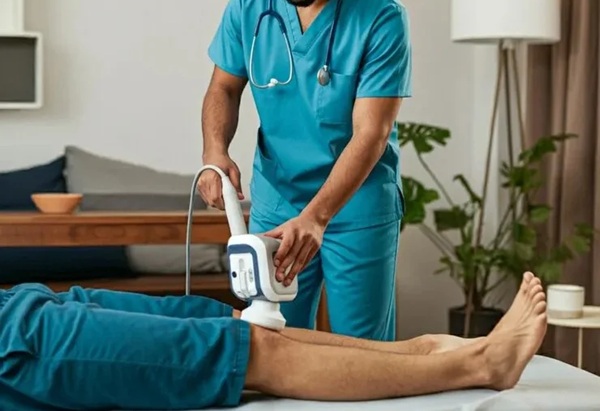
Sciatica Treatment Kerala Many patients can begin with non-surgical care, particularly when symptoms are manageable and there are no serious neurological warning signs. Depending on the diagnosis, treatment may include prescribed pain-relief medication, supervised physiotherapy and carefully selected exercises.
Physiotherapy can improve flexibility, strengthen supporting muscles and encourage better movement patterns. Gentle activity may also help prevent stiffness associated with prolonged bed rest. However, exercises should match the patient’s condition because unsuitable movements can aggravate symptoms.
Specialists may consider other interventions when appropriate. Regular follow-ups help evaluate progress and determine whether the treatment plan needs adjustment. Patients should avoid self-medication and seek professional guidance before starting new exercises.
When Should Surgery Be Considered?
Surgery is not the first option for everyone experiencing sciatica. However, it may become necessary when significant nerve compression causes persistent symptoms, progressive weakness or other serious complications.
A specialist may discuss procedures such as microdiscectomy or other suitable spinal interventions depending on the underlying condition. These procedures aim to relieve pressure on affected nerves. The expected benefits, possible risks and recovery requirements should be discussed before making a decision.
Choosing Sciatica Treatment Kerala through an experienced specialist can help patients understand available options and whether surgical intervention is appropriate for their specific condition.
Spinal Stenosis Treatment Kerala
Spinal stenosis occurs when spaces within the spinal canal become narrower, potentially placing pressure on the spinal cord or nearby nerves. This condition may develop because of age-related changes, thickened ligaments, bone spurs or disc degeneration. Symptoms can include lower back discomfort, leg pain, numbness and difficulty walking for extended periods. Spinal Stenosis Treatment Kerala focuses on identifying the location and severity of narrowing through clinical assessment and suitable imaging. Depending on individual needs, management may include medication, physiotherapy, activity adjustments or surgery when significant compression requires intervention.
Lifestyle Habits That Support Spinal Health
Sciatica Treatment Kerala Daily habits can influence spinal comfort and overall mobility. Although lifestyle changes cannot correct every underlying spinal condition, they may support recovery and reduce unnecessary strain.
Consider these practical measures:
- Maintain a healthy body weight to reduce additional stress on the spine.
- Avoid sitting continuously for long periods.
- Use appropriate posture while working, standing and lifting objects.
- Include gentle physical activity according to medical advice.
- Follow prescribed exercises consistently.
- Choose a supportive sleeping position that feels comfortable.
Patients should remember that recovery takes time. Following professional recommendations and attending scheduled appointments can make treatment more effective.
Why Choose Dr Fazal Rehman?
Sciatica Treatment Kerala suitable spinal care involves more than selecting a treatment method. Patients need an accurate diagnosis, a clear explanation of their condition and guidance that considers their individual requirements.
Dr Fazal Rehman emphasizes informed decision-making and appropriate evaluation when addressing spinal conditions. Understanding the cause of pain allows patients to discuss relevant treatment possibilities, expected outcomes and recovery considerations.
Whether symptoms are recent or have continued for months, seeking professional advice can help individuals avoid unnecessary delays. A personalized approach also makes it easier to understand when conservative care is appropriate and when further intervention may be necessary.
Conclusion
Persistent nerve-related pain can affect independence, comfort and everyday activities. Seeking timely Sciatica Treatment Kerala helps patients understand their symptoms, identify possible causes and explore suitable medical solutions. From conservative management to specialist procedures, treatment should always reflect individual clinical needs. With proper assessment and guidance from Dr Fazal Rehman, patients can make informed choices, protect their spinal health and work towards improved mobility and quality of life.