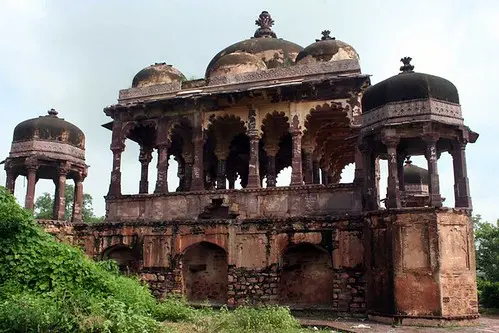
Rajasthan is famous for its royal history, impressive architecture, and remarkable monuments. Among its historic landmarks, Ranthambore Fort holds a special place because of its strategic location and centuries-old heritage. Situated inside the landscape of Ranthambhore National Park, this magnificent structure attracts history enthusiasts, photographers, and travellers. Its massive gates, ancient temples, ruined palaces, and elevated surroundings reflect the architectural traditions of earlier kingdoms. Exploring Ranthambore Fort provides an opportunity to understand the region’s cultural past while enjoying beautiful views of forests, lakes, and the surrounding Aravalli landscape.
The Historical Importance of Ranthambhore’s Ancient Landmark
Ranthambore has witnessed several important periods of Rajasthan’s history. The fort is believed to have been established during the early medieval period, although its exact construction date remains uncertain. Over time, different rulers controlled the stronghold because of its strategic position.
The Chauhan rulers played an important role in its historical development. Later, the fort became associated with conflicts involving the Delhi Sultanate and other powerful kingdoms. Its location made it valuable for controlling surrounding territories and important routes.
Today, Ranthambore Fort represents an important part of Rajasthan’s architectural and military heritage. Its remaining structures offer clues about royal administration, religious traditions, and defensive planning.
Architectural Features That Reflect Medieval Engineering
The architecture of the fort demonstrates the practical construction techniques used during medieval times. Massive stone walls, fortified entrances, elevated pathways, and defensive structures helped protect the settlement from attacks.
Several gateways lead visitors through different sections of the complex. These entrances feature traditional architectural details and reflect the importance of security in historical fort construction.
As visitors explore Ranthambore Fort, they can notice ruined residential structures, old courtyards, and remnants of royal buildings. Although many sections have experienced damage over centuries, their remaining features still communicate the monument’s historical significance.
The elevated location also provided strategic advantages. Guards could observe surrounding areas and monitor approaching movements from a considerable distance.
Ranthambore Fort and Its Religious Heritage
Apart from military importance, the fort has a strong connection with religious traditions. Several temples and sacred structures stand within its premises, attracting devotees and visitors throughout the year.
The Trinetra Ganesh Temple is among its most recognised religious attractions. Dedicated to Lord Ganesha, this temple receives visitors who come to offer prayers and seek blessings.
Other religious remains reflect the cultural diversity of the region. Their architectural elements provide insights into traditional worship practices and the craftsmanship of earlier periods.
Ranthambore Fort therefore offers more than historical exploration. It allows travellers to appreciate the relationship between architecture, spirituality, and everyday life in medieval Rajasthan.
Scenic Surroundings and Natural Attractions
One of the most interesting aspects of the fort is its natural setting. It stands within the larger landscape of Ranthambhore National Park, where forests, rocky hills, and water bodies create an impressive environment.
Visitors can enjoy panoramic views of the surrounding wilderness from different points along the fort complex. The combination of ancient stone structures and green landscapes creates excellent opportunities for photography.
Nearby lakes, including Padam Talao, contribute to the scenic character of the region. These water bodies also support several bird and animal species.
Exploring Ranthambore Fort allows travellers to experience both historical architecture and the natural beauty that makes this part of Rajasthan distinctive.
Best Time to Explore the Historic Complex
The cooler months from October to March are generally comfortable for exploring outdoor historical attractions. Pleasant daytime temperatures make walking through the complex easier.
During summer, temperatures can rise considerably. Visitors planning a trip between April and June should consider early morning visits, carry drinking water, and wear comfortable clothing.
Monsoon brings a different appearance to the surrounding landscape. However, rainfall can make some pathways slippery, so visitors should walk carefully.
Before visiting Ranthambore Fort, check current entry arrangements, visiting hours, and local travel advisories. These details can change according to administrative requirements.
Ranthambore Safari Online Booking Price
Visitors planning to explore the wider national park may also consider arranging a wildlife excursion. Ranthambore Safari Online Booking Price overall safari expense depends on the selected vehicle, passenger category, applicable entry charges, government fees, and authorised reservation costs. Jeep and canter options may have different rates because their seating capacities vary. Prices can also change following official revisions. Travellers should check the complete amount displayed on the authorised booking platform before making payment. Keeping the confirmation receipt and identification details available can make entry verification easier. Historical sightseeing and wildlife activities should be planned separately according to their respective entry requirements.
Visitor Guidelines for a Comfortable Heritage Visit
A little preparation can make the exploration more enjoyable. Since the fort includes elevated pathways and uneven stone surfaces, comfortable walking shoes are recommended.
Visitors should also carry essential belongings without bringing unnecessary luggage. Drinking water, sun protection, and a camera can be useful during the visit.
Keep these guidelines in mind:
- Follow instructions displayed by local authorities.
- Avoid damaging old walls and structures.
- Do not leave rubbish inside the complex.
- Respect religious customs at temples.
- Stay on permitted walking paths.
- Supervise children near elevated sections.
Responsible tourism helps preserve Ranthambore Fort for future generations. Visitors should appreciate the monument without disturbing its historic structures.
Nearby Places That Complete the Travel Experience
Sawai Madhopur offers several attractions that visitors can include in their itinerary. Ranthambhore National Park is the region’s most famous wildlife destination, attracting tourists interested in Bengal tigers and other forest animals.
Ranthambore Fort is another major highlight because it combines cultural heritage with scenic surroundings. Travellers can also explore nearby lakes and local markets to understand the area’s lifestyle.
The town provides accommodation options, restaurants, transport facilities, and access to regional attractions. Visitors can plan a longer holiday to enjoy history, nature, and traditional Rajasthani hospitality.
Combining heritage sightseeing with a wildlife excursion creates a varied travel experience. However, visitors should allow sufficient time for each activity rather than rushing through the attractions.
Photography and Cultural Appreciation
Ranthambore Fort Photography enthusiasts will find several interesting subjects around the fort. Ancient gateways, weathered stone walls, temple architecture, and distant forest views provide excellent compositions. Morning light can highlight architectural details, while changing weather creates different moods across the surrounding hills. Visitors should photograph religious areas respectfully and follow any restrictions displayed at the site.
Beyond photography, the monument encourages visitors to learn about Rajasthan’s historical identity. Its structures demonstrate how geography, defence, religion, and royal traditions influenced medieval architecture.
Conclusion
Ranthambore Fort is an important historical attraction that brings Rajasthan’s architectural and cultural heritage to life. Its fortified walls, religious structures, ancient gateways, and elevated location make it valuable for history enthusiasts and travellers. Situated within the surroundings of Ranthambhore National Park, it also offers beautiful views of the natural landscape. Exploring Ranthambore Fort provides a meaningful opportunity to appreciate the region’s past while enjoying its scenic surroundings. With suitable planning and responsible sightseeing, visitors can experience a memorable combination of history, spirituality, and nature.