
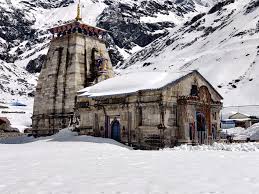
A journey to the Himalayas becomes especially meaningful when it leads to a sacred destination surrounded by dramatic peaks and peaceful valleys. The kedarnath temple is among the most revered Hindu shrines in India and attracts pilgrims from across the country. Located in Uttarakhand, the ancient shrine stands at a high altitude and forms an important part of the Char Dham pilgrimage. With practical guidance from Kedarnath Blog, visitors can understand the temple, plan their route, prepare for mountain conditions, and enjoy a more organized spiritual journey.
History of Kedarnath Temple
The history of the kedarnath temple is closely connected with Hindu tradition and the worship of Lord Shiva. According to widely followed beliefs, the Pandavas sought Lord Shiva after the Kurukshetra war, and the sacred site later became associated with his divine presence. The temple is also traditionally linked with Adi Shankaracharya.
The stone structure reflects remarkable Himalayan architecture. Large stone slabs form the main building, creating a strong appearance that suits its mountain surroundings. Despite the harsh environment, the shrine has remained an important center of devotion for generations.
Location and Spiritual Importance
The kedarnath temple is situated in Uttarakhand’s Rudraprayag district, near the Mandakini River and surrounded by imposing Himalayan peaks. Its remote setting adds to the spiritual character of the pilgrimage. Reaching the shrine requires travelers to prepare for mountain roads and a final journey through challenging terrain.
For devotees, the kedarnath temple holds special significance as one of the twelve Jyotirlingas dedicated to Lord Shiva. It is also one of the four major Char Dham destinations in Uttarakhand. Consequently, the shrine receives a large number of pilgrims during the annual pilgrimage season.
How to Reach Kedarnath Temple
Travelers commonly begin their road journey from cities such as Delhi, Haridwar, Rishikesh, or Dehradun. Road travel generally continues through important Himalayan towns before reaching the Sonprayag area. From there, pilgrims follow the permitted route toward Kedarnath.
The final approach requires careful planning because mountain conditions can change quickly. Depending on current arrangements, visitors may walk or use authorized transportation services for portions of the journey. Before traveling to the kedarnath temple, always check official information about routes, weather, opening dates, and local regulations.
Best Time to Visit
The pilgrimage season depends on the official opening and closing schedule of the shrine. Summer generally attracts many visitors because daytime weather can be comparatively comfortable. However, peak periods may bring crowded routes and limited accommodation.
Monsoon conditions require extra caution because heavy rainfall can cause landslides and travel disruptions. Therefore, visitors should monitor current forecasts before starting their trip. Autumn can provide clearer mountain views, although temperatures may become quite cold, especially in the morning and evening near the kedarnath temple.
What to Wear and Carry
Mountain weather can change rapidly, so suitable clothing is essential. Carry warm layers, a waterproof jacket, comfortable walking shoes, woolen socks, gloves, and a cap. Sunglasses and sunscreen can also help protect against strong sunlight at higher elevations.
A small backpack is usually more practical than heavy luggage. Keep identification documents, essential medicines, toiletries, snacks, and a reusable water bottle accessible. Travelers visiting the kedarnath temple should also protect important belongings from rain by using waterproof bags or covers.
Temple Visit and Important Guidelines
Visitors should respect the spiritual atmosphere of the shrine and follow instructions issued by temple authorities. Maintain cleanliness, avoid unnecessary noise, and respect queues and designated areas. Appropriate, modest clothing is recommended when entering religious spaces.
Photography rules may vary around sensitive areas, so follow posted instructions rather than assuming cameras are permitted everywhere. During busy periods, patience is especially important because large numbers of pilgrims may arrive at the kedarnath temple within a short period.
Kedarnath Chopper Booking
Travelers who prefer to reduce the walking portion may consider kedarnath chopper booking when authorized helicopter services are operating. Availability, fares, boarding locations, passenger requirements, and weather restrictions can change, so verify current information through official or authorized channels before making payment. Keep required identification ready and avoid unofficial agents who promise guaranteed seats or unusually low prices. Helicopter operations can also be suspended because of poor weather, so travelers should maintain a flexible itinerary.
Accommodation and Food
Accommodation is available in and around major pilgrimage points, although options can become limited during busy periods. Travelers should consider booking suitable stays in advance, particularly when traveling with family or during peak dates.
Food services are available along popular routes, but choices may vary by location and season. Carry light snacks for the journey and drink water regularly. Before reaching the kedarnath temple, pilgrims should avoid carrying excessive luggage because unnecessary weight can make mountain travel more tiring.
Safety Tips for Visitors
Mountain travel requires awareness and patience. Check weather and route conditions before departure, follow local instructions, and avoid taking unauthorized shortcuts. Travelers should also pace themselves instead of trying to complete difficult sections too quickly.
Altitude can affect some visitors, particularly those who are not accustomed to mountain environments. Headaches, unusual fatigue, nausea, or breathlessness should not be ignored. Rest when necessary and seek appropriate assistance if symptoms become severe. The journey to the kedarnath temple becomes safer when visitors respect their physical limits.
Responsible Pilgrimage
Kedarnath is not only a sacred destination but also part of a fragile Himalayan ecosystem. Visitors can help protect the area by avoiding litter, minimizing plastic waste, and using designated disposal facilities. Respecting local communities and fellow pilgrims is equally important.
A responsible visitor leaves the surroundings clean and follows established rules. These simple actions preserve the beauty around the kedarnath temple for future generations while maintaining the peaceful character of the pilgrimage.
Why Follow Kedarnath Blog?
Kedarnath Blog offers practical information for people preparing to explore this sacred Himalayan destination. From travel planning and packing advice to safety considerations, reliable preparation can make the experience more comfortable.
Before visiting, travelers should confirm current temple schedules, transportation arrangements, weather conditions, and local instructions. Conditions can change quickly in the mountains, so recent official updates should always take priority over older information about the kedarnath temple.
Conclusion
A visit to the kedarnath temple combines faith, natural beauty, and a memorable Himalayan journey. Although reaching the shrine requires preparation, thoughtful planning can reduce unnecessary difficulties. Travelers should choose suitable clothing, monitor weather, organize transportation, and allow enough time for the mountain journey.
With respect for local traditions and the surrounding environment, pilgrims can experience the destination in a meaningful way. Kedarnath Blog can help travelers prepare for this remarkable pilgrimage while keeping practical needs, safety, and spiritual significance in mind.