Modern food businesses need equipment that saves time, simplifies preparation, and supports consistent results. Restaurants, hotels, catering companies, and food manufacturers regularly process ingredients in large quantities. Therefore, choosing suitable grinding machinery can make everyday operations more manageable. A Tilting Wet Grinder offers a practical solution by combining grinding functionality with a convenient tilting mechanism. This design helps users transfer prepared batter more easily, reduces handling effort, and supports organised food preparation in busy commercial environments.
What Makes a Tilting Wet Grinder Useful?
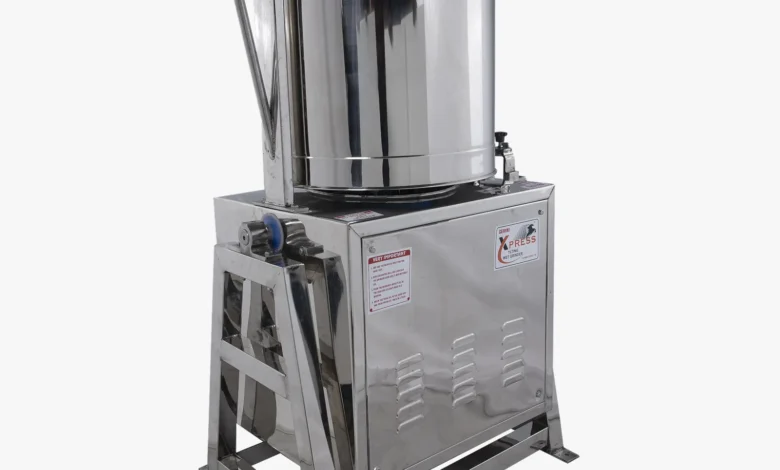
Traditional grinding equipment can involve additional effort when removing heavy batter from the drum. A tilting mechanism addresses this challenge by allowing users to move the grinding drum into a suitable pouring position. A Tilting Wet Grinder can therefore simplify ingredient handling and make preparation more convenient for kitchen employees.
Moreover, commercial kitchens often operate under demanding schedules. Staff members need equipment that supports repetitive tasks without making daily operations complicated. A suitable model can improve workflow by making grinding and batter collection easier. This functionality is particularly useful for businesses that prepare traditional recipes regularly.
Key Features to Consider Before Purchasing
Every commercial kitchen has different requirements. Therefore, buyers should compare important specifications before selecting equipment for their establishment.
Convenient Tilting Mechanism
The tilting arrangement is one of the main features of this equipment. It allows users to transfer prepared batter without manually lifting the entire drum. When comparing a Tilting Wet Grinder, examine the mechanism’s construction, stability, and ease of operation.
Motor Performance
A reliable motor supports effective grinding during regular operations. Buyers should evaluate motor capacity, electrical requirements, and recommended operating duration. The selected model should match the expected workload of the business.
Drum Capacity
Capacity determines how much material can be processed in one session. Restaurants and catering companies may require larger drums, while smaller establishments can consider compact models. Always estimate daily preparation quantities before making a decision.
Durable Construction
Commercial equipment needs suitable materials and strong construction. Examine the drum, frame, grinding components, and overall manufacturing quality. These details influence everyday usability and maintenance requirements.
How a Tilting Wet Grinder Improves Kitchen Productivity
Efficient ingredient handling can make a significant difference in busy food establishments. Employees often prepare batter while managing cooking schedules and other kitchen responsibilities. A Tilting Wet Grinder simplifies the grinding and collection process, helping reduce unnecessary physical effort.
Furthermore, the tilting design makes it easier to transfer prepared material into separate containers. This can support smoother preparation routines, especially when larger quantities are involved. Restaurants serving dosa, idli, and other traditional dishes can benefit from convenient batter handling. Consequently, suitable machinery can help employees manage repetitive activities more comfortably.
Where Can Commercial Tilting Grinders Be Used?
Different food businesses can benefit from equipment designed for wet grinding and convenient batter transfer. Restaurants preparing South Indian dishes may use suitable models for regular ingredient processing. Hotels can consider them for breakfast preparation and other kitchen requirements.
Catering companies also handle substantial food quantities during weddings, celebrations, and corporate events. A Tilting Wet Grinder can help simplify preparation and transfer activities in these environments.
Additionally, institutional kitchens, food production units, and commercial cooking facilities may explore suitable models according to their operational needs. However, buyers should always compare capacity and technical specifications before choosing equipment for a particular application.
Understanding Instant Wet Grinder Machine Options
An Instant Wet Grinder Machine supports wet grinding applications involving suitable food ingredients. When comparing available models, buyers should examine motor specifications, drum capacity, grinding components, construction materials, and operating instructions. These details help determine whether the equipment matches the intended workload. Cleaning requirements, electrical specifications, recommended ingredient quantities, and maintenance procedures also deserve attention. Understanding these factors allows businesses to select machinery that provides practical functionality while supporting their regular food preparation activities.
Choosing the Right Tilting Wet Grinder for Your Business
Selecting suitable machinery starts with understanding your daily production requirements. First, calculate how much batter or other ingredients your kitchen processes during a typical working day. This helps determine the drum capacity needed for comfortable operation.
Next, evaluate the tilting mechanism carefully. A Tilting Wet Grinder should allow convenient movement and controlled batter transfer. Buyers should also examine the machine’s dimensions, because available kitchen space can influence installation and everyday usability.
Consider electrical requirements and motor specifications as well. Additionally, compare warranty coverage, spare part availability, and technical assistance. These factors help businesses understand the equipment’s overall value instead of focusing only on its purchase price.
Why Explore Gemini Motors & Machinery?
Choosing the right supplier is an important part of purchasing commercial machinery. Gemini Motors & Machinery is a brand customers can explore when researching equipment for different business and operational requirements.
When considering a Tilting Wet Grinder, buyers should compare available specifications and understand the features offered by different models. Construction quality, drum capacity, motor performance, tilting convenience, and maintenance support should influence the final decision.
Furthermore, discussing your preparation requirements can help identify appropriate equipment options. Businesses should prioritise functionality and long-term usability rather than selecting machinery based entirely on appearance. Careful evaluation supports better purchasing decisions and helps match equipment with actual kitchen demands.
Maintenance Tips for Consistent Equipment Performance
Proper maintenance supports reliable operation and helps preserve equipment condition. After every grinding session, clean the drum and accessible components according to the manufacturer’s instructions. Remove leftover ingredients promptly to maintain hygienic food preparation conditions.
Additionally, inspect the tilting mechanism regularly to ensure smooth movement. Avoid overloading the drum beyond its recommended capacity. Check electrical connections and watch for unusual sounds during operation.
If the equipment develops a technical issue, contact an authorised service professional. Regular inspections and correct handling can reduce avoidable problems. These practices also help maintain a clean and organised working environment.
Conclusion
Choosing suitable grinding equipment can improve ingredient preparation and make commercial kitchen activities more convenient. A Tilting Wet Grinder offers practical benefits through its grinding functionality and easy batter transfer mechanism. Before purchasing, compare motor performance, drum capacity, construction quality, tilting design, and maintenance support. Gemini Motors & Machinery can be considered when exploring machinery options. By understanding your operational requirements, you can select equipment that supports efficient preparation and contributes to a more organised kitchen workflow.