
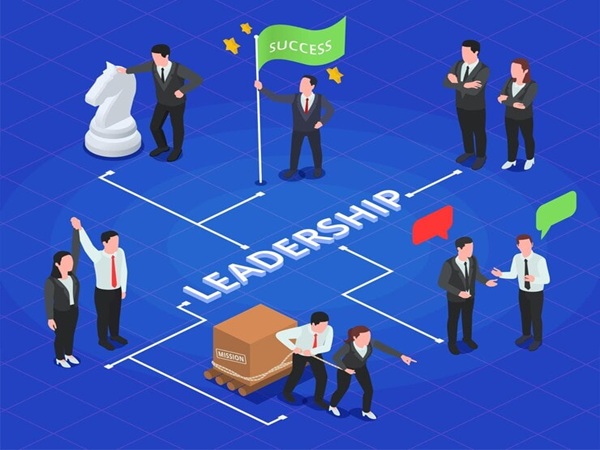
Professional success depends on more than technical knowledge and industry experience. The ability to communicate ideas, manage discussions, and build meaningful workplace relationships also matters. In today’s competitive business environment, professionals must express themselves clearly and confidently. An Executive Communication Training program helps individuals improve their speaking abilities, develop stronger interpersonal skills, and handle important business conversations. These capabilities support better teamwork, stronger professional relationships, and more effective decision-making across different organizational levels.
Why Executive Communication Training Is Important Today
Modern workplaces bring together people with different responsibilities, communication styles, and expectations. Therefore, professionals need to adjust their approach according to the situation and audience. Executive Communication Training helps individuals communicate important information without confusion or unnecessary complexity. It also encourages active listening, thoughtful responses, and respectful discussions. As a result, employees can share ideas more effectively, while managers can create an environment where collaboration and understanding become part of everyday workplace culture.
Key Skills Developed Through Executive Communication Training
Effective communication combines several practical abilities. Professionals must know how to speak clearly, listen carefully, organize information, and respond appropriately. A structured Executive Communication Training program introduces techniques that improve these essential skills and makes workplace interactions more productive.
Confident Speaking and Clear Expression
Confidence allows professionals to communicate their thoughts without hesitation. However, confidence also requires preparation and clarity. Participants learn to organize their messages, select appropriate language, and explain complex subjects in understandable terms. Executive Communication Training can help individuals become more comfortable when addressing colleagues, senior managers, clients, and business partners. Consequently, their conversations become more focused, professional, and meaningful.
Active Listening and Better Understanding
Communication is not limited to speaking. Listening carefully helps professionals understand different opinions, recognize concerns, and respond with relevant information. Through Executive Communication Training, participants can develop listening techniques that encourage meaningful conversations. Furthermore, asking thoughtful questions and avoiding interruptions can improve mutual understanding. These habits support stronger teamwork and help prevent unnecessary workplace misunderstandings.
Persuasive Communication for Business Situations
Business professionals frequently need to present ideas, explain recommendations, and influence important decisions. Therefore, persuasive communication becomes an essential workplace skill. Executive Communication Training introduces methods for presenting logical arguments, understanding audience expectations, and supporting suggestions with relevant information. These abilities prove useful during negotiations, client meetings, strategic discussions, and organizational presentations.
How Executive Communication Training Strengthens Leadership
Successful leadership requires clear direction and consistent communication. Managers must explain responsibilities, discuss performance expectations, and guide employees through workplace challenges. With Executive Communication Training, leaders can improve the way they share information and approach difficult conversations. Moreover, they learn to communicate organizational goals in ways that employees can understand. This creates greater transparency, encourages participation, and helps teams remain focused on shared business priorities.
Improve Presentations and Professional Meetings
Presentations provide opportunities to share knowledge, explain strategies, and influence business decisions. However, poorly organized messages can make even valuable ideas difficult to understand. Executive Communication Training helps professionals structure presentations with clear objectives, relevant examples, and logical information. Participants can also improve their voice modulation, body language, and audience engagement. Similarly, better meeting communication helps professionals contribute useful points, manage discussions, and communicate decisions accurately.
Understanding Leadership Presence Training
Leadership Presence Training focuses on developing a confident and professional approach through communication, body language, emotional awareness, and consistent behaviour. It helps individuals remain composed during challenging situations, present ideas with conviction, and build credibility among colleagues and stakeholders. By strengthening these qualities, professionals can create a positive impression, handle important responsibilities confidently, and establish stronger workplace relationships without relying on authority alone.
Choosing the Right Executive Communication Training Program
Selecting a suitable program requires understanding personal development goals and workplace expectations. Professionals should examine the curriculum, practical exercises, trainer experience, and learning methods before enrolling. A valuable Executive Communication Training program should address real business situations instead of concentrating only on theoretical speaking techniques. Additionally, opportunities for feedback and practical application can make the learning experience more useful.
Participants should also consider their current experience. Beginners may want to improve everyday conversations, while experienced managers might focus on executive presentations, negotiations, or stakeholder communication. Choosing relevant learning objectives ensures that the training supports practical professional requirements.
Practical Learning That Creates Lasting Improvement
Communication improves through regular practice rather than occasional learning sessions. Role-playing activities, group discussions, presentation exercises, and workplace scenarios allow participants to apply new techniques. Executive Communication Training becomes more effective when learners receive constructive feedback and understand how their communication style affects others. Furthermore, repeated practice helps individuals identify weaknesses and gradually develop better professional habits.
Professionals can continue improving by preparing important discussion points, listening carefully, and reviewing their performance after meetings. These small actions create opportunities for continuous development. Over time, improved communication can make demanding workplace situations easier to manage.
Build Professional Skills with Cohort Learning Space
Choosing the right learning environment can make professional development more meaningful. Cohort Learning Space supports individuals who want to strengthen their workplace capabilities and develop practical communication knowledge. Through Executive Communication Training, professionals can explore methods for expressing ideas, managing discussions, and building stronger business relationships. A structured learning approach can help participants understand their improvement areas and apply useful techniques across different professional situations.
Conclusion
Strong communication creates opportunities for better teamwork, professional relationships, and effective leadership. However, developing these abilities requires consistent learning and practical experience. Executive Communication Training helps individuals improve speaking, listening, presentation, and persuasion skills while preparing them for everyday business challenges. With learning opportunities from Cohort Learning Space, professionals can develop greater confidence, communicate ideas more effectively, and contribute meaningfully to organizational growth. Investing in communication skills can support long-term career development and create lasting workplace value.