A home or workplace represents more than a physical structure because it holds personal memories, daily activities, and family aspirations. Hindu traditions place importance on maintaining harmony between living spaces and natural elements. Vastu Shastra offers principles concerning directions, layouts, and the arrangement of different areas. Vastu Dosh Puja in Ujjain is a religious ceremony performed by devotees who wish to address perceived architectural imbalances through traditional prayers. Shree Mahakal Dosh Pujan helps families understand the customary procedures and spiritual significance of this worship.
Understanding Vastu Shastra and Its Religious Foundation
Vastu Shastra is an ancient Indian architectural tradition that considers the relationship between buildings, directions, natural elements, and human activities. Its principles traditionally involve five elements: earth, water, fire, air, and space. According to these beliefs, their appropriate arrangement supports balance within residential and commercial environments.
When a structure does not follow certain traditional principles, people may describe the situation as Vastu Dosh. Some families consider Vastu Dosh Puja in Ujjain as a religious way to seek blessings and spiritual reassurance. However, practical architectural improvements may also be necessary depending on the property’s actual condition.
Religious Importance of Performing Vastu Dosh Puja in Ujjain
Ujjain has a respected position in Hindu religious history because of its ancient temples and association with Lord Shiva. Mahakaleshwar Jyotirlinga attracts pilgrims throughout the year, making the city an important destination for traditional ceremonies.
Many devotees choose Vastu Dosh Puja in Ujjain because they value the city’s spiritual atmosphere and established religious customs. Priests perform prescribed prayers and offerings according to the family’s requirements. Moreover, visitors can combine their ceremony with temple darshan and other devotional activities. This experience allows families to connect their personal concerns with traditional Hindu worship.
Common Situations Associated With Vastu Concerns
People become interested in Vastu principles for different reasons. Some purchase a new property, while others renovate an existing home or establish a commercial space. During these stages, families may consult Vastu specialists to understand the arrangement of rooms and important directions.
Traditional beliefs also associate certain structural arrangements with possible Vastu imbalances. These may include entrance placement, kitchen direction, bedroom positioning, staircase location, or the arrangement of water sources. Individuals sometimes consider Vastu Dosh Puja in Ujjain after receiving such advice. Nevertheless, structural decisions should involve qualified architects and relevant professionals rather than relying entirely on astrological interpretations.
Important Rituals Included in the Puja Ceremony
The exact procedure depends on the property, family traditions, and priestly guidance. However, several activities commonly appear in traditional Vastu worship.
- Sankalp: The devotee expresses the purpose of performing the ceremony.
- Ganesh Puja: Prayers seek Lord Ganesha’s blessings before the main rituals.
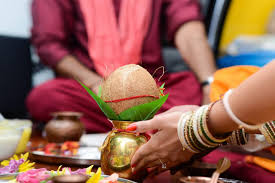
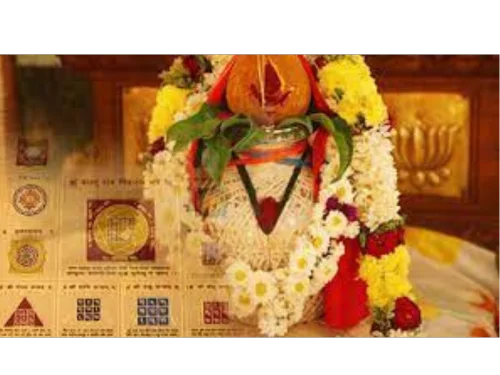
- Kalash Sthapana: A sacred vessel is established according to religious customs.
- Vastu Purush Worship: Prayers are offered to Vastu Purush.
- Mantra Recitation: Priests chant prescribed Sanskrit mantras.
- Havan: Sacred offerings are placed into the fire with devotional prayers.
- Aarti: The ceremony concludes with traditional worship and blessings.
During Vastu Dosh Puja in Ujjain, priests may adjust specific rituals according to the requirements of the property and devotee.
Role of Vastu Purush in Traditional Worship
Vastu Purush holds an important place in traditional Indian architectural beliefs. Religious texts describe Vastu Purush as a symbolic representation of the energy associated with a building and its surroundings. Therefore, devotees offer prayers to seek harmony and blessings for their residential or commercial spaces.
The worship generally includes mantra chanting, flowers, sacred offerings, and other prescribed materials. Families may organise Vastu Dosh Puja in Ujjain before entering a newly constructed house or after purchasing a property. These customs reflect the traditional belief that beginning a new chapter with prayers encourages a positive and peaceful mindset.
Benefits Traditionally Associated With Vastu Worship
Vastu worship carries religious and cultural significance for many Indian families. Devotees perform the ceremony with hopes of maintaining harmony, improving their spiritual connection, and beginning important activities with confidence. The prayers also provide an opportunity for family members to participate together.
People who arrange Vastu Dosh Puja in Ujjain may seek blessings for household peace, business progress, and a comfortable living environment. However, these outcomes are matters of religious belief rather than scientifically guaranteed results. Practical planning, property maintenance, financial decisions, and healthy family relationships remain equally important in everyday life.
Mangal Dosh Puja in ujjain
Mangal Dosh Puja in ujjain is a traditional astrological ceremony considered by individuals whose birth charts contain specific Mars placements associated with Mangal Dosh. According to Vedic astrology, these planetary combinations may influence marriage-related matters and personal relationships. Therefore, devotees often consult knowledgeable astrologers before selecting appropriate religious remedies. The ceremony may include Sankalp, prayers to Lord Mangal, mantra chanting, and prescribed offerings. Shree Mahakal Dosh Pujan helps visitors understand the customary procedure and religious significance of this worship. A proper horoscope assessment can help determine whether this particular ceremony is relevant to individual astrological requirements.
Preparing for Vastu Dosh Puja With Shree Mahakal Dosh Pujan
Advance preparation helps families organise religious ceremonies without unnecessary complications. Shree Mahakal Dosh Pujan helps devotees understand traditional arrangements and the procedures associated with Vastu worship. Before scheduling the ceremony, families should discuss the property details, preferred date, puja duration, and necessary materials with the priest.
People travelling from outside Ujjain should arrange accommodation and transportation beforehand. Additionally, they should confirm the location and schedule, particularly during major religious festivals. If the ceremony relates to a new property, keeping its basic layout and relevant information available may help the priest understand the family’s requirements.
Choosing the Right Approach to Vastu Concerns
Religious worship and practical property improvements can complement each other. Families may consult a qualified Vastu expert to understand traditional directional principles and discuss possible adjustments. Meanwhile, architects and engineers can assess structural safety, ventilation, lighting, and functional requirements.
Vastu Dosh Puja in Ujjain provides a religious option for people who wish to follow established Hindu customs. However, devotees should make informed decisions and avoid unnecessary structural changes or expenses based only on fear. A balanced approach combines personal faith, practical knowledge, and responsible planning.
Conclusion
A balanced living environment contributes to everyday comfort, while traditional Vastu principles remain meaningful to many Hindu families. Vastu Dosh Puja in Ujjain offers devotees an opportunity to seek spiritual blessings through prayers, mantra recitation, and sacred offerings. The city’s religious heritage adds significance to this ceremony. With guidance from Shree Mahakal Dosh Pujan, families can understand the customary procedures and organise their worship with proper preparation. Combining sincere devotion with sensible property planning creates a thoughtful approach towards a peaceful home or workplace.