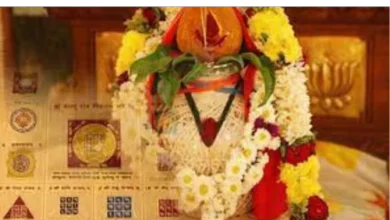

Best Simhastha Kumbh Ujjain is among India’s most revered spiritual gatherings, bringing together faith, tradition, and community. Held along the sacred Shipra River, this occasion attracts pilgrims, saints, scholars, and visitors who participate in age-old customs. The gathering offers more than a ceremonial visit; it creates an opportunity to reflect, pray, learn, and reconnect with Indian spiritual heritage. Its importance comes from religious belief, historical continuity, and the shared devotion visible throughout the city.
The Sacred Setting Along the Shipra River
Ujjain holds a distinctive place in Hindu tradition because of its ancient temples, sacred geography, and association with Lord Shiva. During Simhastha Kumbh Ujjain, the Shipra River becomes a central focus for worship and pilgrimage. Devotees gather at river ghats to offer prayers, perform rituals, and take a holy dip according to their faith. Chants, bells, devotional music, and community services create a special atmosphere. Visitors should respect local customs and follow official instructions at bathing areas.
Religious Meaning Behind Simhastha Kumbh Ujjain
The festival is traditionally connected with Jupiter’s movement into Leo, a celestial alignment that gives the gathering its name and religious significance. Many devotees believe bathing in the Shipra during the auspicious period supports spiritual purification and brings blessings. Simhastha Kumbh Ujjain also represents the meeting of different spiritual paths, as ascetics, akharas, religious teachers, and householders come together. For pilgrims, the event expresses surrender, discipline, charity, and devotion rather than simply being a large public celebration.
Saints, Akharas and Spiritual Traditions
One memorable aspect of the gathering is the presence of sadhus and recognised akharas. Their processions, spiritual discussions, devotional practices, and traditional appearances reflect diverse lineages within Hindu religious life. At Simhastha Kumbh Ujjain, visitors can observe ceremonies led by saints and learn about renunciation, service, meditation, and self-control. However, respectful distance is important, especially during religious activities. Photography should be undertaken only where permitted, and visitors should avoid interrupting prayers or approaching religious leaders without invitation.
Important Rituals and Devotional Activities
Pilgrims participate in several practices during the festival. These include sacred river bathing, temple darshan, prayer, chanting, offerings, meditation, and charity. Families often visit important shrines across Ujjain and seek blessings for peace and well-being. During Simhastha Kumbh Ujjain, ritual schedules and bathing arrangements can vary according to official announcements and auspicious dates. Therefore, visitors should confirm current information before travelling. Modest clothing, secure belongings, and sufficient time for movement can make participation more comfortable.
Preparing for a Meaningful Pilgrimage
Good preparation helps pilgrims focus on the spiritual purpose of their visit. Arrange travel and accommodation early, particularly when large crowds are expected. Check local transport updates, designated entry routes, bathing arrangements, weather conditions, and public advisories before departure. Those attending Simhastha Kumbh Ujjain should carry essential medicines, identification, and a charged phone. Choose a meeting point with family members in case anyone becomes separated. Follow crowd-control barriers and instructions from volunteers, police, and event authorities throughout the visit.
Ujjain’s Temples and Cultural Heritage
The city’s spiritual character extends beyond the riverbanks. Mahakaleshwar Jyotirlinga is one of its best-known shrines, while Harsiddhi Temple, Kal Bhairav Temple, and other historic places also attract devotees. A visit during Simhastha Kumbh Ujjain offers an opportunity to understand the city’s wider religious and cultural landscape. Temple entry rules, darshan timings, and crowd arrangements may change during major events. Check official notices before planning temple visits, and avoid relying on unverified claims about special access.
Astrology and Traditional Religious Guidance
For many families, auspicious dates and traditional rituals form an important part of pilgrimage planning. A knowledgeable religious guide can explain customary observances, the meaning of prayers, and the significance attached to particular days. Astrologer and Scholar Pandit Hemant Agnihotri offers guidance rooted in traditional astrological and spiritual practices. Anyone consulting a practitioner should discuss their questions clearly, understand the proposed ritual, and make personal decisions freely. Religious guidance should support informed devotion rather than create fear or pressure.
Guru Chandal Dosh Puja
Guru Chandal Dosh Puja is a traditional astrological ritual associated with a planetary combination involving Jupiter and Rahu in a birth chart. Some people seek this puja when they believe the combination may influence judgement, education, relationships, or important decisions. The observance may include mantra recitation, worship, offerings, and guidance based on an individual horoscope. Practices differ among traditions, so devotees should ask about the procedure, purpose, duration, and costs before making arrangements. It is best approached as a matter of personal faith rather than a guaranteed solution to life’s difficulties.
Responsible Conduct During the Gathering
A respectful pilgrimage also means caring for the city and fellow visitors. Keep riverbanks and public spaces clean, use waste bins, and avoid throwing plastic or ritual materials into the water. Give elderly people, children, and visitors with disabilities room to move safely. At Simhastha Kumbh Ujjain, crowded areas require patience and awareness, so avoid pushing or crossing restricted routes. Use authorised facilities, cooperate with volunteers, and report urgent concerns to designated help centres. Considerate behaviour helps preserve the dignity of the occasion.
Conclusion
Simhastha Kumbh Ujjain brings together sacred geography, ancient belief, community participation, and living religious traditions. From Shipra River rituals to the presence of saints and historic temples, the gathering offers pilgrims many ways to deepen their understanding of devotion. Thoughtful planning, respect for local guidance, and responsible behaviour make the experience safer and more meaningful. Visitors can seek reliable spiritual information from trusted sources, including Astrologer and Scholar Pandit Hemant Agnihotri, while approaching every religious practice with sincerity and personal understanding.