
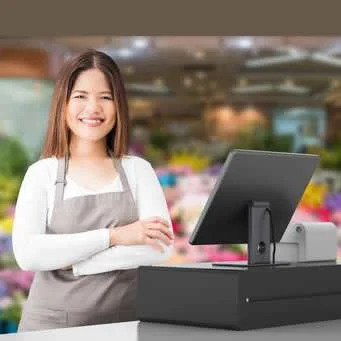
Running a gift shop is both exciting and challenging. From managing diverse product ranges like greeting cards, home décor, toys, and seasonal gifts to ensuring smooth billing and inventory control, store owners face multiple daily tasks. This is where Gift Shop Pos Software becomes a powerful solution for modern retail management.
In a competitive retail environment, manual processes often lead to errors, delays, and missed opportunities. Gift Shop Pos Software helps automate operations, streamline workflows, and provide real-time insights that support better decision-making. Whether you operate a single store or multiple outlets, the right system can significantly improve your efficiency and customer experience.
What is Gift Shop Pos Software?
Gift Shop Pos Software is a specialized retail management system designed to handle the unique needs of gift stores. It combines point-of-sale billing, inventory management, customer tracking, and reporting into one integrated platform.
Unlike generic POS systems, Gift Shop Pos Software is tailored for stores that manage a wide variety of items, often with seasonal demand and fluctuating stock levels. It ensures that every product is tracked accurately, helping store owners maintain optimal inventory and avoid stock-related issues.
By centralizing all retail operations, this software reduces manual work and improves overall business performance.
Why Gift Shops Need Advanced POS Software
Gift shops deal with high product diversity and frequent inventory changes. Without an efficient system, managing such complexity can become overwhelming. Gift Shop Pos Software addresses these challenges effectively.
Streamlined Inventory Management
Gift stores often carry hundreds or thousands of unique items. Managing such a wide inventory manually can lead to errors and confusion. Gift Shop Pos Software tracks every item in real time, ensuring accurate stock levels and easy product management.
Faster Billing and Checkout
Customers expect quick and hassle-free billing. With Gift Shop Pos Software, transactions become faster and more accurate, improving the overall shopping experience and reducing waiting time.
Seasonal Stock Handling
Gift shops experience seasonal demand during festivals and special occasions. The software helps manage seasonal inventory efficiently, ensuring that popular items are always available.
Improved Customer Engagement
Understanding customer preferences is essential for increasing repeat business. Gift Shop Pos Software stores customer data and purchase history, enabling personalized offers and better service.
Key Features of Gift Shop Pos Software
Choosing the right Gift Shop Pos Software requires understanding the features that support retail success. A reliable solution should include the following capabilities:
Real-Time Inventory Tracking
The software provides live updates on stock levels, helping store owners avoid overstocking or stockouts. It also simplifies stock transfers and returns.
Barcode and Billing Integration
Barcode scanning speeds up the billing process and ensures accuracy. It reduces manual entry errors and enhances efficiency at the checkout counter.
Multi-Store Management
For businesses with multiple outlets, Gift Shop Pos Software offers centralized control. Retailers can monitor sales, inventory, and performance across all locations.
Customer Management System
The software maintains detailed customer profiles, allowing businesses to create targeted promotions and loyalty programs.
Sales Reporting and Analytics
Detailed reports provide insights into sales trends, top-selling products, and customer behavior. These insights help in making strategic decisions.
How Gift Shop Pos Software Improves Business Performance
Implementing Gift Shop Pos Software transforms the way a retail business operates. It enhances productivity, accuracy, and profitability.
Increased Efficiency
Automation reduces manual tasks such as billing and inventory tracking. This allows staff to focus more on customer service and sales.
Reduced Errors
Manual errors in billing and stock management can lead to losses. Gift Shop Pos Software ensures accuracy and consistency in all operations.
Better Decision Making
Access to real-time data enables store owners to make informed decisions about pricing, inventory, and promotions.
Enhanced Customer Experience
A smooth checkout process and personalized service improve customer satisfaction and encourage repeat visits.
In the middle of growing retail demands, solutions like Efacto provide businesses with the tools needed to manage operations efficiently. By using Gift Shop Pos Software from Efacto, store owners can simplify daily tasks and focus on expanding their business.
Choosing the Right Gift Shop Pos Software
Selecting the best software is crucial for maximizing benefits. Here are some factors to consider:
User-Friendly Interface
The software should be easy to use, ensuring that staff can quickly adapt without extensive training.
Customization Options
Every gift shop has unique requirements. The software should offer flexibility to match specific business needs.
Integration Capabilities
It should integrate with accounting tools, e-commerce platforms, and payment systems for seamless operations.
Reliable Support and Updates
Ongoing support ensures that any technical issues are resolved quickly, minimizing downtime.
Future Trends in Gift Shop Pos Software
Technology is continuously evolving, and Gift Shop Pos Software is becoming more advanced with new innovations.
Cloud-Based Systems
Cloud technology allows access to business data from anywhere, improving flexibility and security.
AI and Predictive Analytics
Artificial intelligence helps predict customer behavior and sales trends, enabling better planning.
Omnichannel Retailing
Modern systems integrate online and offline sales channels, providing a seamless shopping experience.
Mobile POS Solutions
Mobile-enabled POS systems allow retailers to manage sales and inventory on the go.
Common Challenges Solved by Gift Shop Pos Software
Gift shop owners often face operational challenges that can hinder growth. Gift Shop Pos Software helps solve these effectively:
- Managing large and diverse inventories
- Handling seasonal demand fluctuations
- Reducing billing errors
- Improving stock visibility
- Enhancing customer engagement
With the right system in place, these challenges become manageable, allowing businesses to operate smoothly.
FAQs
What is Gift Shop Pos Software used for?
Gift Shop Pos Software is used to manage billing, inventory, sales, and customer data in gift stores efficiently.
Can Gift Shop Pos Software handle seasonal inventory?
Yes, it helps manage seasonal stock effectively by tracking demand and ensuring availability of popular items.
Is Gift Shop Pos Software suitable for small businesses?
Yes, it is designed for businesses of all sizes, helping small retailers improve efficiency and control.
Does Gift Shop Pos Software support multiple store locations?
Yes, most advanced systems allow centralized management of multiple stores.
Is cloud-based Gift Shop Pos Software secure?
Yes, cloud-based solutions offer strong security, data backup, and easy accessibility.
Conclusion
Gift Shop Pos Software has become an essential tool for modern retail businesses looking to improve efficiency and customer satisfaction. It simplifies complex operations, enhances accuracy, and provides valuable insights for growth.
By adopting advanced solutions like those offered by Efacto, gift shop owners can streamline their operations and stay competitive in a dynamic market. Investing in the right Gift Shop Pos Software is a strategic step toward long-term success and business expansion.