Infrastructure development is the backbone of any growing economy, and roads and bridges play a crucial role in connectivity and transportation. However, these structures are constantly exposed to environmental stress, heavy loads, water infiltration, and chemical damage. This is where a liner for roads & bridges construction becomes essential.
A liner for roads & bridges construction acts as a protective barrier that enhances durability, prevents water seepage, and ensures long-term structural integrity. With modern engineering demands, the use of advanced liners has become a standard practice in infrastructure projects.
What is a Liner for Roads & Bridges Construction?
A liner for roads & bridges construction is a specialized protective layer used in civil engineering projects to prevent damage caused by moisture, chemicals, and soil interaction. These liners are typically made from materials like HDPE, PVC, or geosynthetic compounds.
They are installed beneath or within roadways and bridge structures to act as a shield against environmental factors. This helps in maintaining the strength and performance of the infrastructure over time.
Importance of Liner for Roads & Bridges Construction
Prevents Water Seepage
Water is one of the biggest threats to roads and bridges. A liner for roads & bridges construction prevents water from penetrating into the base layers, reducing the risk of cracks and structural weakening.
Enhances Structural Strength
By protecting the foundation and sub-layers, liners help maintain the load-bearing capacity of roads and bridges, ensuring safety and durability.
Reduces Maintenance Costs
Frequent repairs can be costly and time-consuming. Using a liner for roads & bridges construction minimizes damage and reduces the need for regular maintenance.
Protects Against Chemical Damage
In urban and industrial areas, roads and bridges are exposed to chemicals, oils, and pollutants. Liners provide resistance against these harmful substances.
Types of Liners Used in Roads & Bridges Construction
HDPE Liners
High-Density Polyethylene liners are known for their strength, flexibility, and resistance to chemicals. They are widely used in large-scale infrastructure projects.
PVC Liners
PVC liners are lightweight and easy to install. They are suitable for applications requiring flexibility and waterproofing.
Geotextile Liners
Geotextiles are used for reinforcement and filtration. They improve soil stability and prevent erosion in road and bridge construction.
Bituminous Liners
These liners are commonly used for waterproofing in bridge decks and road layers.
Each type of liner for roads & bridges construction is selected based on project requirements, environmental conditions, and load factors.
Applications of Liner for Roads & Bridges Construction
Road Base Protection
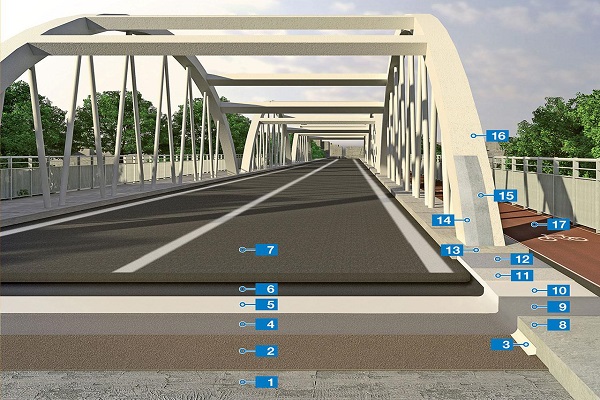
A liner for roads & bridges construction is used beneath road surfaces to prevent water infiltration and maintain the stability of the base layers.
Bridge Deck Waterproofing
Bridge decks are highly exposed to rain and moisture. Liners provide an effective waterproof barrier that prevents damage.
Drainage Systems
Liners are used in drainage systems to control water flow and prevent soil erosion.
Tunnel and Underpass Construction
In tunnels and underpasses, liners help maintain dryness and structural integrity.
Slope Stabilization
Liners are also used in slopes near roads and bridges to prevent landslides and erosion.
Advantages of Using Liner for Roads & Bridges Construction
- Improved durability and lifespan of infrastructure
- Enhanced resistance to environmental and chemical damage
- Reduced maintenance and repair costs
- Better load distribution and structural stability
- Eco-friendly and sustainable construction solution
MACRO SHEET INDIA LIMITED offers advanced liner technologies that meet modern infrastructure demands and ensure reliable performance in challenging environments.
How to Choose the Right Liner for Roads & Bridges Construction
Analyze Environmental Conditions
Consider factors like rainfall, temperature, and soil type when selecting a liner.
Evaluate Load Requirements
Heavy traffic and load conditions require high-strength liners for better performance.
Focus on Material Quality
Choose liners made from durable and high-quality materials to ensure long-term benefits.
Consider Installation Efficiency
Easy-to-install liners save time and reduce labor costs.
In the middle of complex infrastructure projects, MACRO SHEET INDIA LIMITED provides dependable solutions tailored to meet specific construction needs.
Installation Process of Liner for Roads & Bridges Construction
Proper installation is critical to the performance of liners. The process typically includes:
- Surface Preparation – Cleaning and leveling the base
- Liner Placement – Laying the liner carefully without folds
- Joint Sealing – Ensuring tight and secure seams
- Inspection – Checking for defects or gaps
- Final Layering – Adding protective layers if required
Professional installation ensures that the liner functions effectively and provides maximum protection.
Maintenance Tips for Long-Term Performance
To maintain the effectiveness of a liner for roads & bridges construction:
- Conduct periodic inspections
- Repair any damages immediately
- Ensure proper drainage systems
- Avoid excessive load stress beyond design limits
- Keep the surface clean and free from debris
Regular maintenance helps extend the lifespan of the infrastructure and ensures consistent performance.
Future Trends in Liner for Roads & Bridges Construction
With advancements in technology, liners are becoming more efficient and sustainable. Modern liners offer improved flexibility, higher resistance, and eco-friendly properties.
The future of liner for roads & bridges construction lies in innovative materials that provide enhanced performance while reducing environmental impact. As infrastructure projects continue to expand globally, the demand for high-quality liners will grow significantly.
FAQs
What is the purpose of a liner for roads & bridges construction?
It protects infrastructure from water, chemicals, and environmental damage, ensuring durability and safety.
Which material is best for liners in road construction?
HDPE and geotextile liners are commonly used due to their strength and resistance properties.
How long do liners last in infrastructure projects?
A high-quality liner for roads & bridges construction can last for many years with proper installation and maintenance.
Are liners necessary for all road projects?
While not mandatory for all projects, liners are highly recommended for areas prone to moisture and environmental stress.
Can liners reduce maintenance costs?
Yes, liners minimize damage and significantly reduce long-term maintenance and repair expenses.
Conclusion
A liner for roads & bridges construction is a vital component in modern infrastructure development. It provides essential protection against water, chemicals, and environmental factors, ensuring long-lasting performance and safety.
By investing in high-quality liners and proper installation, construction projects can achieve enhanced durability and reduced maintenance costs. With reliable solutions from MACRO SHEET INDIA LIMITED, engineers and developers can build strong, sustainable, and future-ready infrastructure.