
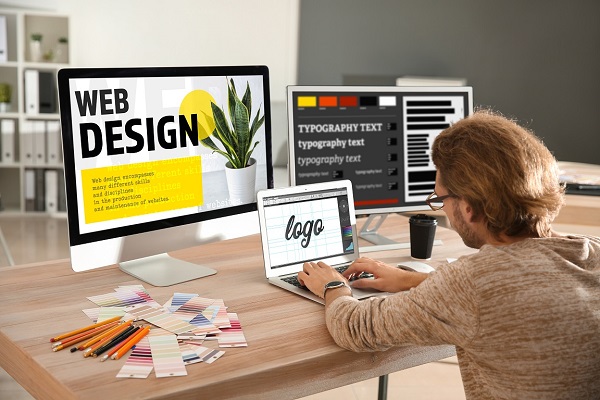
Customers expect websites to work smoothly whether they browse on a phone, tablet, laptop, or desktop computer. Businesses that overlook these expectations may lose visitors before explaining their products or services. Partnering with a Responsive Web Design Company helps create digital experiences that adjust to different screens without sacrificing clarity or functionality. Effective design combines flexible layouts, readable content, accessible navigation, and dependable performance. XSquare Media helps businesses approach website development with these priorities in mind, creating online platforms that present brands consistently and make important information easier for customers to find.
Flexible Layouts for Changing Screen Sizes
A website should adapt naturally to the device displaying it. Fixed-width pages can force mobile users to scroll sideways, struggle with tiny text, or miss important buttons. Responsive layouts solve these problems by adjusting page elements to available screen space.
An experienced responsive web design company considers how content rearranges across different devices. Images resize appropriately, columns become easier to read, and navigation changes to suit smaller displays. These adjustments help preserve the purpose of each page.
However, responsiveness requires more than shrinking desktop content. Designers should decide which information deserves priority on mobile screens and remove unnecessary clutter. This approach keeps the experience focused while ensuring visitors can still access essential details.
Responsive Web Design Company and User Convenience
Visitors usually arrive with a specific goal. They may want to compare services, read product information, request a quote, or contact a business. A clear layout helps them complete these tasks without unnecessary effort.
A responsive web design company can organise navigation around the needs of the intended audience. Descriptive menu labels, readable headings, and visible contact options help users understand where to go next. Consistent page structures also reduce confusion when people move between sections.
Businesses should review common visitor journeys before approving a design. For example, a service company may place enquiry options near relevant service descriptions. An online store may prioritise product categories and purchase controls. Each decision should make the next step easier.
Mobile Usability That Encourages Engagement
Smartphones often serve as the first point of contact between customers and businesses. Consequently, mobile usability can influence whether visitors stay, explore, or leave. Small buttons, crowded text, and difficult forms can create unnecessary barriers.
When selecting a responsive web design company, review how the proposed website behaves on actual mobile devices. Buttons should be comfortable to tap, text should remain legible, and forms should request only necessary information. Visitors should also find phone numbers and addresses without searching through several pages.
Testing matters because different screen sizes can expose unexpected problems. Check portrait and landscape views, interactive menus, image galleries, and important conversion pages. Early corrections reduce frustration and support a more consistent experience.
Speed and Performance Across Devices
Even an attractive website can disappoint visitors when pages take too long to load. Performance depends on several factors, including image sizes, scripts, hosting quality, and code efficiency. Mobile users may experience additional delays when their connection is limited.
A capable responsive web design company considers speed during development rather than waiting until launch. Developers can compress images, minimise unnecessary scripts, and apply suitable caching techniques. These improvements can make browsing more comfortable across different devices.
Performance should be measured regularly after publication. Test important pages, identify slow elements, and review any new features before adding them. A fast website helps visitors access information efficiently, although loading speed alone cannot guarantee higher search rankings or conversions.
Consistent Branding and Visual Communication
A business website should feel recognisable across every screen. Different layouts may require adjustments, but the brand’s colours, typography, imagery, and overall tone should remain consistent. This continuity helps customers connect individual pages with the same organisation.
A responsive web design company can create visual rules that work across multiple screen sizes. Flexible image treatments, balanced spacing, and clear heading styles help maintain a unified appearance without forcing every device to display identical layouts.
XSquare Media can help businesses consider how visual choices support their wider identity. Rather than adding decorative elements without purpose, focus on imagery and page components that explain products, demonstrate expertise, or direct attention towards meaningful actions.
Application Development For Mobile
Businesses with specialised customer needs may eventually explore Application Development For Mobile alongside their website. Applications can support features such as account dashboards, booking notifications, loyalty rewards, or repeated transactions. However, developing an app involves additional design, security, maintenance, and update responsibilities. Start by identifying a genuine customer need and checking whether a responsive website already meets it. A dedicated application may become useful when customers require frequent interactions or functions that a standard website cannot provide conveniently.
Search Visibility and Accessible Content
Responsive design supports usability, but websites also need content that search engines can understand. Clear page titles, logical headings, descriptive links, and useful text help visitors identify relevant information. Search optimisation should therefore form part of the development process.
A responsive web design company can structure pages so that content remains accessible across devices. Avoid hiding essential information on mobile layouts simply to save space. Use meaningful image descriptions and ensure that important pages connect through understandable navigation.
Accessibility also deserves attention. Maintain sufficient colour contrast, provide labels for forms, and make interactive elements usable with appropriate assistive technologies. These choices can help more people access the website while creating a clearer experience for everyone.
Testing, Maintenance, and Future Improvements
Website development continues after launch. New devices, changing business priorities, software updates, and added content can introduce problems over time. Regular maintenance helps keep the website dependable as these changes occur.
Choose a responsive web design company that explains its testing and maintenance approach clearly. Ask about browser compatibility, backups, security updates, performance checks, and support arrangements. Understanding these responsibilities helps businesses prepare for ongoing website ownership.
Review analytics to identify popular pages and common visitor actions. If users repeatedly abandon a form, simplify its fields or improve its instructions. If mobile visitors struggle to locate services, revise the navigation. Evidence-based improvements help the website remain useful as customer expectations evolve.
Conclusion
A successful website must deliver clear information, consistent branding, and comfortable navigation across different devices. Responsive layouts, efficient performance, accessible content, and regular testing all contribute to that experience. Working with a responsive web design company helps businesses build a flexible digital platform that can adapt as technology and customer behaviour change. XSquare Media offers a practical starting point for organisations seeking a consistent online presence. By focusing on visitor needs and reviewing performance over time, businesses can improve usability, strengthen brand communication, and create more opportunities for meaningful customer engagement.