Fire protection equipment needs regular attention to remain dependable during emergencies. Offices, shops, residential buildings, restaurants and industrial sites may rely on extinguishers to respond to certain small fires when conditions permit safe action. Timely Fire extinguisher refilling helps restore discharged units, subject to inspection and manufacturer requirements. However, refilling alone does not guarantee safe operation. Technicians must assess the cylinder, valve, pressure and other components before returning equipment to service. Ryanix Fire and Safety Solutions can help customers discuss servicing needs and understand the importance of maintaining firefighting equipment in suitable working condition.
Recognising When an Extinguisher Needs Attention
An extinguisher may require servicing after use, even when only a small amount of its contents has been discharged. Pressure loss, leakage, physical damage or an overdue service date can also indicate a need for professional inspection. Never assume a partially used unit remains ready for another emergency.
Arranging Fire extinguisher refilling promptly helps address discharged equipment, but technicians should first determine whether refilling is appropriate. Damaged or unsuitable cylinders may need repair or replacement according to applicable requirements. Keep affected units accessible to authorised service personnel and arrange alternative protection where necessary.
Fire Extinguisher Refilling for Commercial Properties
Businesses often maintain several extinguishers across offices, storage areas, kitchens and production spaces. Each unit should match the hazards in its assigned location. A service schedule helps managers track equipment condition and avoid overlooking units during busy operating periods.
For effective Fire extinguisher refilling, maintain an inventory showing each cylinder’s location, type, identification details and service history. Record discharge incidents and inspection dates as well. This information helps service providers assess individual units and plan maintenance without confusion. Ryanix Fire and Safety Solutions can be contacted to discuss equipment servicing requirements for different premises.
Professional Inspection Before Refilling
Refilling involves more than adding extinguishing material to a cylinder. A qualified technician must check whether the equipment remains suitable for continued use. Depending on the model and applicable procedures, the inspection may include the cylinder body, valve, hose, seals, pressure components and operating mechanism.
Before authorising Fire extinguisher refilling, ask the service provider to explain the inspection process and any defects discovered. Follow the manufacturer’s instructions and relevant standards. If a cylinder fails required checks, do not return it to service until the appropriate corrective action has been completed and its safety has been established.
Different Extinguisher Types Require Specific Procedures
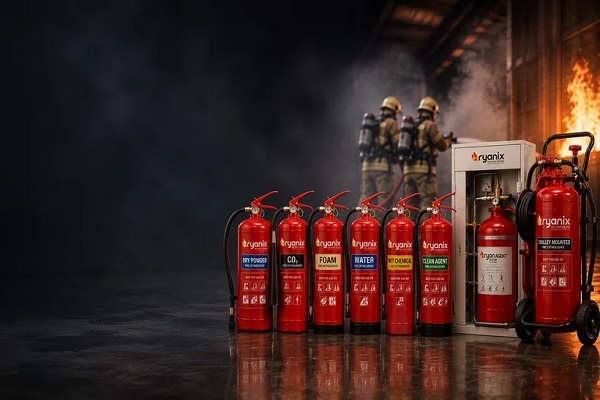
Extinguishers use different agents, including water, foam, dry chemical powder and carbon dioxide. Their construction, operating pressures and service requirements vary. Consequently, technicians must identify the exact model before selecting replacement contents or carrying out maintenance.
Fire extinguisher refilling should always follow the manufacturer’s specifications and applicable procedures. Using an incorrect agent or an unsuitable quantity can affect performance and create serious risks. Customers should provide product labels or equipment details when requesting service. This helps the technician identify the unit and determine the correct maintenance approach.
Service Records and Maintenance Planning
Accurate records make equipment maintenance easier to manage across multiple locations. Property managers should record inspections, servicing, refilling, repairs and replacement decisions. These details help identify recurring problems and establish when the next inspection is due.
Scheduling Fire extinguisher refilling after discharge can reduce the time a unit remains unavailable, although inspection findings determine the actual service process. Businesses should review maintenance dates regularly and avoid relying on memory alone. Clear records also help managers answer internal audit questions and demonstrate that equipment receives appropriate attention.
Fire extinguisher dealer in vajrahalli
Residents and businesses in Vajrahalli may need professional support for extinguisher selection, servicing and maintenance. A Fire extinguisher dealer in vajrahalli can help customers discuss available equipment and understand the service requirements associated with different models. Before arranging work, share the extinguisher type, condition, last service date and whether it has been discharged. Ryanix Fire and Safety Solutions can be contacted to discuss relevant fire protection needs. Always confirm that the service provider follows applicable standards and manufacturer instructions before equipment returns to use.
Safety Measures During Equipment Servicing
Extinguishers should be handled by trained personnel who understand the hazards associated with their contents and pressurised cylinders. Customers should not attempt to open, recharge or modify units themselves. Incorrect handling can cause injury, equipment failure or an unsafe release of pressure.
During Fire extinguisher refilling, ensure that equipment remains with an appropriately qualified service provider. Arrange temporary protection where a unit’s absence could leave an area exposed. After servicing, check the service documentation and follow the technician’s instructions for storage, mounting and future inspection.
Choosing a Suitable Maintenance Provider
A dependable service arrangement should include clear communication, proper inspection, suitable replacement materials and relevant documentation. Ask what the quoted charge covers and whether repairs, testing or replacement parts incur additional costs. Transparent terms make maintenance easier to budget for.
When discussing Fire extinguisher refilling with Ryanix Fire and Safety Solutions, provide accurate details about the equipment and its operating environment. Ask about service availability, applicable procedures and records supplied after completion. The right maintenance approach depends on the unit’s condition, design and manufacturer requirements, not simply on its age or appearance.
Keeping Equipment Ready Between Service Visits
Routine visual checks can help identify problems before the next scheduled maintenance visit. Look for visible damage, leakage, missing seals, obstructed access and other obvious concerns. Check pressure indicators where fitted, following the manufacturer’s instructions, and ensure signs remain visible.
Fire extinguisher refilling is only one element of a broader safety programme. Staff also need clear evacuation routes, suitable fire awareness training and knowledge of emergency reporting procedures. Extinguishers should never replace evacuation when a fire grows or conditions become unsafe. Keep maintenance schedules current and address concerns without delay.
Conclusion
Fire protection depends on equipment that suits the hazard and remains properly maintained. Fire extinguisher refilling can restore discharged units when inspection confirms they are suitable for continued service. Professional checks, correct materials and complete documentation are essential throughout the process. Ryanix Fire and Safety Solutions can help customers discuss maintenance requirements and available support. By tracking service dates, arranging timely inspections and educating occupants about emergency procedures, property managers can strengthen preparedness and reduce avoidable gaps in fire safety.