
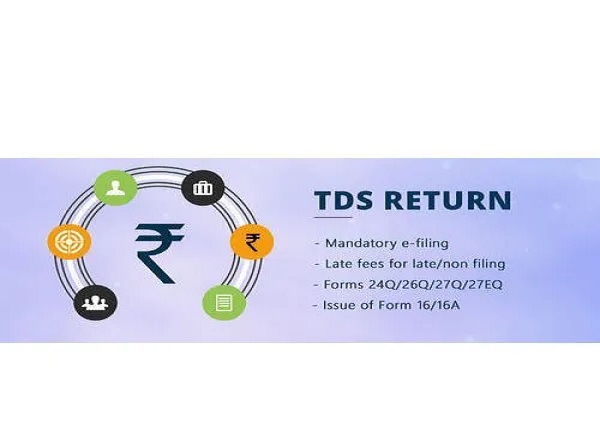
Tax deduction at source requires careful attention because even minor reporting errors can create complications for businesses. Employers, companies, and other eligible deductors must maintain accurate payment records and submit applicable statements within prescribed deadlines. Managing E TDS Return in Mumbai involves collecting transaction details, checking tax deductions, verifying taxpayer information, and preparing electronic statements. A well-organised filing process helps businesses maintain financial transparency and avoid unnecessary corrections. With suitable professional assistance, organisations can handle recurring reporting responsibilities while keeping their accounting information organised and accessible.
Understanding electronic TDS statement filing
Tax deducted at source allows the government to collect tax when specified payments are made or credited. Depending on the transaction, deductors may need to deduct the applicable amount, deposit it within the prescribed period, and report the details through an electronic statement.
The filing process connects payment records with the corresponding taxpayer information. E TDS Return in Mumbai requires attention to PAN details, deduction amounts, challan information, payment categories, and reporting periods. Each entry should match the underlying financial documents.
Common TDS statements include Form 24Q for salary payments, Form 26Q for specified payments other than salaries, and Form 27Q for payments to non-residents. The appropriate statement depends on the nature of the transaction and applicable provisions.
E TDS Return in Mumbai and essential documentation
Accurate documents provide the foundation for successful filing. Before preparing a statement, businesses should collect their TAN, PAN information, challan details, deduction registers, payment records, and relevant employee or vendor information.
The finance department should reconcile deducted amounts with deposited tax. It should also verify that challan identification details match the payment records. E TDS Return in Mumbai becomes easier to manage when organisations maintain updated documentation throughout the financial year instead of collecting everything near the deadline.
Businesses should also review changes in vendor information and employee records. Incorrect PAN entries or mismatched amounts may lead to validation errors. Therefore, checking source documents before generating the return can reduce avoidable corrections.
Filing stages that require careful attention
Electronic TDS reporting follows a sequence of activities. First, the deductor identifies the applicable statement and reporting period. Next, the responsible team gathers deduction details and verifies the information against accounting records.
After reconciliation, the statement is prepared using the prescribed file format and validated through the applicable utility or system. E TDS Return in Mumbai requires accurate preparation because incorrect fields, challan mismatches, and invalid identification details can prevent successful processing.
Once validation is complete, the authorised person submits the statement through the designated filing facility. The organisation should retain the acknowledgement and supporting records for future reference. Reviewing the processing status is also important because submission alone does not guarantee that every reported entry has been accepted without an issue.
E TDS Return in Mumbai for avoiding common filing errors
Several mistakes can interrupt the filing process. Incorrect PAN details, wrong assessment periods, duplicate entries, missing challan information, and calculation differences are common areas requiring attention.
Another concern involves late submissions. Businesses should maintain a compliance calendar and assign responsibility for collecting information well before the applicable deadline. E TDS Return in Mumbai should form part of a regular accounting routine rather than an activity postponed until the final date.
If a statement contains errors, the deductor may need to submit a correction statement through the prescribed procedure. The correction process depends on the nature of the error and the status of the original filing. Maintaining proper records helps identify and resolve discrepancies more efficiently.
Professional assistance for business tax administration
Tax reporting requires familiarity with documentation, deduction categories, validation procedures, and statutory timelines. Businesses with limited internal resources may find it difficult to coordinate these responsibilities alongside everyday operations.
Professional assistance can help organise transaction information, examine challan records, identify inconsistencies, and prepare statements for submission. E TDS Return in Mumbai support can be particularly useful for organisations handling numerous employee payments or vendor transactions.
Clientfirst Professional Services can be approached for assistance with business compliance and tax-related administrative requirements. Companies should discuss their transaction volume, filing frequency, existing records, and reporting responsibilities before selecting a service arrangement.
A clearly defined engagement should explain document requirements, review procedures, submission responsibilities, communication channels, and applicable professional charges. Employers must still provide complete information and authorise filings where required.
Digital records and long-term financial discipline
Electronic reporting works best when organisations maintain consistent accounting practices. Businesses should preserve invoices, payment vouchers, deduction calculations, challan receipts, and submitted statements in an organised manner.
Access to these documents helps finance teams answer departmental queries and reconcile financial information. E TDS Return in Mumbai records should also be protected through suitable access permissions and secure storage arrangements.
Periodic internal reviews can identify differences between accounting entries and reported deductions. Furthermore, businesses can assign specific responsibilities to HR, accounts, and finance personnel. This division improves coordination and prevents important information from remaining unnoticed.
Shop and Establishment Act Registration in Mumbai
Apart from tax reporting, employers should examine establishment-related obligations under the applicable Maharashtra Shops and Establishments legislation. Shop and Establishment Act Registration in Mumbai concerns business establishment compliance rather than TDS statement submission. Applicable requirements, registration procedures, documents, and exemptions may depend on the establishment’s circumstances and current legal provisions. Businesses should confirm their obligations through the relevant government authority or a qualified professional.
Conclusion
Tax deduction reporting deserves a planned approach because it affects financial records, statutory responsibilities, and business administration. Accurate documentation, timely reconciliation, and proper validation make electronic submissions more dependable. E TDS Return in Mumbai support can help organisations coordinate these activities and address reporting requirements systematically. Clientfirst Professional Services can discuss suitable assistance based on business needs and existing compliance arrangements. By maintaining organised records, reviewing calculations, and monitoring deadlines, businesses can strengthen their tax administration and manage recurring filing responsibilities with greater confidence.