
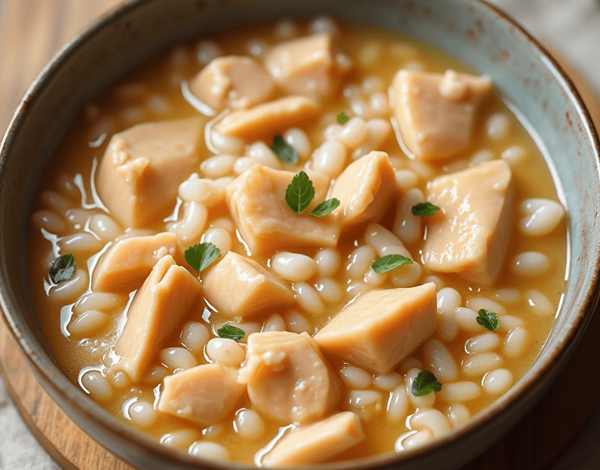
Choosing suitable meals is an important part of responsible dog care. Cooked Chicken Dog Food can offer a convenient way to provide quality protein while creating a satisfying daily feeding routine. However, a good meal should provide more than a single ingredient. Dogs need nutrition suited to age, size, activity, and individual needs. The Tails Kitchen focuses on practical meal choices for everyday family routines with ease. Understanding preparation, portions, storage, and feeding habits helps owners build dependable routines.
Protein Benefits of Cooked Chicken Dog Food
Chicken supplies protein that supports normal muscle maintenance and activity. Cooked Chicken Dog Food can be useful within a balanced recipe when it contains appropriate amounts of other essential nutrients. Protein alone does not create a complete diet, so consider the full nutritional profile.
Clearly identified chicken and recognizable ingredients make labels easier to understand. Review the ingredient list and nutritional information to determine whether the meal fits your dog’s feeding plan.
Cooked Chicken Dog Food for Daily Feeding
Every dog has different nutritional requirements. Puppies are growing rapidly, adult dogs often need maintenance-focused nutrition, and senior dogs may have changing energy needs. Therefore, Cooked Chicken Dog Food should match life stage, size, activity, and dietary needs.
Feeding directions provide a useful starting point for portion planning. Recommended amounts may need adjustment based on activity and body condition. Observe your dog’s weight, appetite, energy, and stool quality to keep the routine suitable.
Proper Cooking Supports Safe Meal Preparation
Safe preparation is essential whenever chicken is included in a dog’s diet. Chicken should be cooked thoroughly and handled carefully to reduce food safety risks. Avoid ingredients that may be unsuitable for dogs, including heavily seasoned preparations. Avoid cooked bones because they can become brittle and create hazards.
When preparing Cooked Chicken Dog Food at home, keep the cooking area clean and use separate utensils where practical. Let food cool to a safe serving temperature before offering it. These steps support a cleaner feeding routine.
Portion Control and Feeding Consistency
Even nutritious food can become unsuitable when served in excessive amounts. Portion size should reflect the dog’s overall diet, including treats. A consistent schedule makes meals easier to manage.
Cooked Chicken Dog Food works best within a structured routine when portions are measured rather than estimated. Fresh drinking water should remain available throughout the day. For dogs with specific dietary needs, portion changes should be discussed with a veterinarian.
Vegetarian Dog Food for Puppies
Some pet parents consider Vegetarian Dog Food for Puppies when looking for alternatives to meat-based meals. Puppies need adequate protein, amino acids, energy, vitamins, and minerals for growth. Any vegetarian formula should be nutritionally complete for the puppy’s life stage. Before making a significant dietary change, review the product’s nutritional adequacy and seek professional guidance when needed.
Cooked Chicken Dog Food and Ingredient Awareness
Reading the label is an important step before introducing a new meal. Check the ingredient list, nutritional information, feeding guidance, storage directions, and any relevant dietary statements. These details help owners compare products.
Cooked Chicken Dog Food may suit some dogs, but individual tolerance still matters. A new food should generally be introduced gradually instead of replacing the previous diet suddenly. A slow transition makes digestive changes easier to notice.
Storage Practices for Freshness
Correct storage helps maintain food quality. Follow the manufacturer’s storage instructions, keep containers closed, and use clean serving bowls. Opened food should be stored according to product directions.
Cooked Chicken Dog Food should not be left at room temperature longer than recommended for the specific product. Clean bowls regularly to reduce leftover residue. These habits support hygienic feeding.
Choosing Cooked Chicken Dog Food at The Tails Kitchen
The Tails Kitchen offers meal options designed to make everyday pet feeding more convenient. When considering Cooked Chicken Dog Food, pet parents can look beyond flavor and focus on ingredient quality, nutritional balance, feeding guidance, and suitability for their dog’s needs.
This approach can prevent unnecessary changes. Consider your dog’s diet, activity, age, and preferences before introducing an option. For sensitivities or medical conditions, professional advice can guide food choices.
Building Better Mealtime Habits
Nutrition is one part of complete dog care. Daily movement, fresh water, enrichment, grooming, healthy weight management, and routine veterinary visits also matter. Cooked Chicken Dog Food can fit into a balanced care routine when the meal is appropriate and portions are controlled.
Pay attention to lasting changes in appetite, digestion, energy, or body condition. Such changes can have many causes and should not automatically be attributed to food. When concerns continue, a veterinarian can provide guidance based on the dog’s individual situation.
Conclusion
A thoughtful feeding routine can help pet parents support their dog’s daily wellbeing. Cooked Chicken Dog Food can provide a convenient source of protein when it is prepared safely, balanced appropriately, and served in suitable portions. By checking ingredients, following storage directions, introducing dietary changes gradually, and monitoring body condition, owners can make informed choices. The Tails Kitchen can be part of a practical mealtime routine, while dogs with specific nutritional concerns should receive guidance from a qualified veterinary professional.