
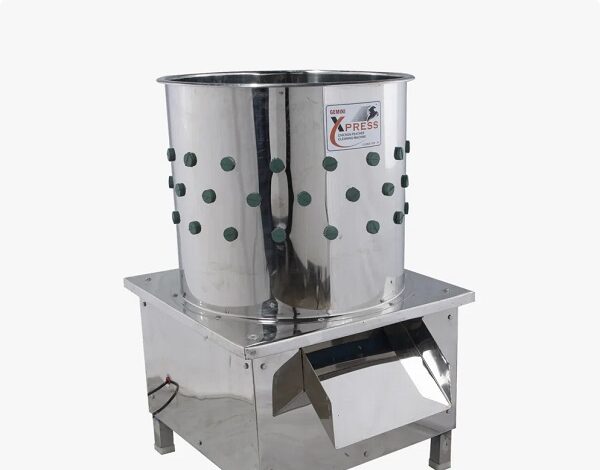
Poultry facilities depend on a sequence of operations to prepare birds for safe handling and further processing. A Chicken Cleaning Machine can support the stage where workers remove unwanted surface residue and prepare carcasses for the next inspection. The right setup depends on the processing method, bird size, water supply, available floor area, and daily workload. Gemini Motors & Machinery helps businesses consider these practical factors before selecting equipment. A suitable unit can bring greater order to routine work, while trained staff and sound hygiene practices remain essential for dependable results.
A Defined Role in Poultry Processing Chicken Cleaning Machine
Cleaning follows earlier preparation steps and should fit smoothly into the wider production line. Depending on the facility and machine type, the task may involve rinsing, washing, or removing remaining material from the bird’s surface. A Chicken Cleaning Machine should be selected for the specific operation it is expected to perform, rather than treated as a universal solution.
This distinction matters because poultry plants use different processing layouts. Some facilities handle small batches, while others operate continuous lines with separate stations for scalding, defeathering, washing, inspection, and chilling. Before purchasing a Chicken Cleaning Machine, map the existing workflow and identify where a dedicated unit will add value.
Construction Details That Deserve Attention
The machine’s body material, joints, and product-contact surfaces affect durability and sanitation. Food-processing environments require surfaces that staff can clean thoroughly. Ask about corrosion resistance, drainage design, and access to areas where residue might collect. A Chicken Cleaning Machine should also have a stable frame that can withstand regular operation.
Review the working mechanism and the way water moves through the unit. Nozzles, sprays, brushes, or other cleaning components must suit the intended task. Their placement can affect coverage, while pressure and flow settings may influence cleaning performance. Confirm the recommended operating range with the manufacturer before connecting the equipment.
Controls should be easy for authorised workers to understand. Guards and emergency stops are important as well. Check that the Chicken Cleaning Machine allows routine inspection without exposing staff to moving parts or electrical hazards.
Capacity Must Match the Actual Workload
A high capacity figure can sound attractive, yet it has little value if the rest of the line cannot keep pace. Estimate the number of birds processed per hour and compare that figure with the Chicken Cleaning Machine’s stated output. A Chicken Cleaning Machine may support smoother handoffs when its cycle time matches upstream preparation and downstream inspection. Discuss line speed with the supplier, allowing time for safe loading and checks. Include loading, unloading, inspection, and cleaning time in the calculation.
Bird dimensions and weight range must suit the Chicken Cleaning Machine. Ask whether settings are available for varying batches. If the facility processes several product sizes, confirm the adjustment procedure and whether changeovers require tools or additional downtime.
Space also affects installation. Measure access doors, working aisles, drainage points, and clearance for maintenance. Positioning the Chicken Cleaning Machine well can reduce movement between stations.
Water Management and Sanitation Procedures
Water supply and drainage should be assessed before installation. Confirm the required flow rate, pressure, connection size, and wastewater arrangements. The facility must manage used water in line with local rules and its approved sanitation plan. Poor drainage can leave wet areas around equipment and complicate cleaning routines.
Create a written cleaning schedule for every shift. Staff should isolate power before cleaning and follow the manufacturer’s instructions for removing residue. Rinse and dry components as directed, then check that guards and covers are correctly fitted before restarting.
Inspect the Chicken Cleaning Machine regularly, including hoses, seals, spray parts, fasteners, and electrical connections. Replace worn components with approved parts. Keep a maintenance log that records checks, repairs, and unusual operating conditions.
Staff Training and Process Control
Even well-designed machinery depends on correct use. Train operators to follow the approved sequence for loading, starting, monitoring, and unloading. Never allow workers to bypass guards or reach into moving equipment. Test a Chicken Cleaning Machine with realistic batch sizes, water availability, and cleaning routines before purchase.
Supervisors can review cleaning results at planned intervals. Look for missed areas, inconsistent coverage, leaks, unusual noise, or changes in cycle time. If results decline, check water conditions, component wear, loading practices, and machine settings. Controlled procedures help the Chicken Cleaning Machine deliver consistent results.
Gemini Motors & Machinery can discuss equipment requirements with poultry businesses evaluating a new installation. Share the type of operation, expected throughput, bird dimensions, utility access, and available space.
Separate Equipment for Idli Preparation
An Idli Grinding Machine is used in a different food-production process. It grinds soaked rice and lentils to prepare batter for idli making. This equipment does not remove poultry feathers or replace poultry processing machinery. Businesses should assess it separately according to its own operating conditions.
Conclusion
A well-matched cleaning setup can support orderly poultry processing, but results depend on more than the machine alone. Businesses should assess the intended cleaning task, construction, capacity, water requirements, safety provisions, and service arrangements before investing. A Chicken Cleaning Machine should fit the wider line and the facility’s sanitation procedures. Gemini Motors & Machinery can help buyers review these considerations and discuss suitable machinery options. Trained operators and timely maintenance help keep the cleaning stage dependable daily.