Hair plays an important role in personal appearance, but changes in density can affect confidence and styling preferences. Genetics, hormonal fluctuations, ageing, medical conditions, and lifestyle habits may contribute to gradual thinning or noticeable bald patches. Modern cosmetic and medical developments have introduced several approaches to address these concerns. Hair Restoration Chicago services allow individuals to explore professional options based on their specific needs, scalp condition, and available donor follicles. Rather than following temporary trends, understanding the cause of hair loss helps people identify suitable treatments and develop realistic expectations about possible improvements.
Recognising Changes in Hair Density Early
Hair loss does not always develop suddenly. Some individuals notice excessive shedding during washing, while others gradually observe a wider hair part or reduced coverage around the crown. Recognising these changes can encourage timely professional assessment.
Normal hair growth follows a natural cycle involving growth, transition, and resting phases. However, disruptions to this cycle may cause increased shedding or reduced density. Genetic sensitivity, nutritional deficiencies, stress, and certain health conditions can influence follicle activity.
People exploring Hair Restoration Chicago options should first understand their hair loss pattern. A proper examination helps distinguish temporary shedding from progressive thinning and provides useful information for treatment planning.
Hair Restoration Chicago and Modern Treatment Approaches
Hair restoration includes several methods designed to improve hair coverage or support existing follicles. The appropriate choice depends on the underlying condition, treatment goals, and medical suitability.
Non-surgical options may include topical medications, prescribed treatments, and selected regenerative procedures. These approaches can help manage certain forms of hair loss, although results vary.
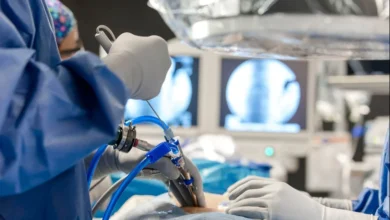
Surgical transplantation offers another possibility for individuals with suitable donor hair. It involves moving healthy follicles from one scalp region to areas experiencing reduced density.
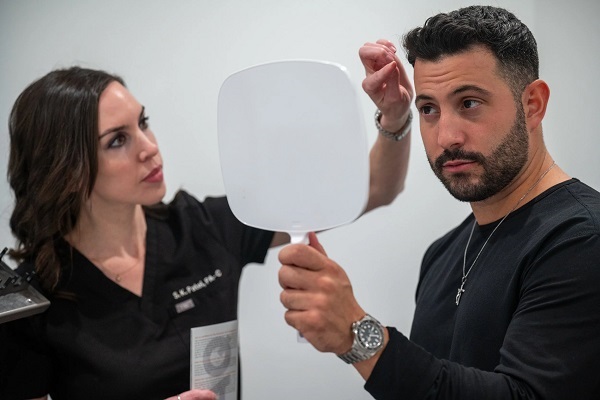
During Hair Restoration Chicago consultations, specialists evaluate the scalp, existing hair distribution, donor availability, and medical history. This assessment helps determine whether surgical or non-surgical treatment offers a more appropriate approach.
Understanding Follicular Transplantation Methods
Follicular Unit Extraction, commonly called FUE, involves removing individual follicular units from a donor area. Specialists then prepare these grafts and implant them into carefully selected recipient locations.
Follicular Unit Transplantation, or FUT, uses a narrow strip of donor scalp tissue. Individual follicular units are separated from the tissue before placement. Both methods require surgical expertise and careful handling of grafts.
FUE generally avoids a long linear donor scar, although small extraction marks may remain. FUT can leave a linear scar that requires consideration during planning.
People researching Hair Restoration Chicago procedures should compare both techniques with a qualified surgeon. Donor density, hairstyle preferences, scalp characteristics, and future hair loss patterns influence the decision.
Personalised Planning for Natural-Looking Coverage
A restoration procedure requires more than selecting a specific number of grafts. Specialists must consider facial proportions, existing hair direction, density differences, and the patient’s long-term appearance.
For example, rebuilding a receding hairline requires careful attention to placement and natural irregularities. Similarly, crown restoration involves understanding the natural circular growth pattern.
An effective Hair Restoration Chicago plan should account for future thinning as well. Transplanted follicles may continue growing while surrounding natural hair gradually becomes thinner. Therefore, realistic density planning is essential.
Patients should discuss their preferred appearance openly. However, the final treatment design must reflect donor limitations and medically appropriate expectations.
Preparing the Scalp Before Professional Treatment
Preparation begins with a detailed consultation. Patients should share information about medications, allergies, previous procedures, family history, and existing medical conditions.
Specialists may examine scalp health and recommend additional investigations when necessary. They may also provide instructions concerning medication, smoking, alcohol, and hair care before a procedure.
Avoid making independent changes to prescribed medication. Instead, follow instructions from the treating professional.
Individuals considering Hair Restoration Chicago treatment should also understand the estimated costs, procedure duration, possible complications, and recovery requirements. Clear communication before treatment helps prevent confusion later.
Recovery and Gradual Hair Development
Recovery depends on the procedure and individual healing response. Following transplantation, temporary redness, swelling, tenderness, and small crusts may appear around treated areas.
Patients should follow professional instructions for washing, sleeping, and returning to everyday activities. They should avoid scratching or applying unapproved products to the scalp during initial healing.
Transplanted hair commonly sheds during the early growth cycle. This temporary stage is generally expected because the follicles can remain active beneath the skin.
New growth usually becomes noticeable over several months. More complete cosmetic development may require twelve months or longer. Hair Restoration Chicago outcomes vary according to graft survival, donor quality, healing, and individual characteristics.
Daily Habits That Complement Hair Care
Professional treatment works best when individuals also maintain healthy routines. A balanced diet provides nutrients that support normal follicular activity. Protein, iron, zinc, and other essential nutrients contribute to overall hair health.
Gentle scalp cleansing removes excess oil and product buildup. Additionally, limiting excessive heat styling and harsh chemical treatments may reduce unnecessary hair damage.
Adequate sleep and stress management support general wellbeing. However, lifestyle improvements cannot independently reverse every form of genetic or medical hair loss.
Additional Aesthetic Services and Modern Technology
Cosmetic technology now addresses several appearance-related goals beyond scalp treatments. Individuals researching personal care may also encounter body-contouring procedures. EmSculpt Neo West Loop combines electromagnetic stimulation with radiofrequency energy to support muscle development and target localized fat. It serves a separate purpose from hair restoration and does not directly influence follicle growth. Anyone considering this treatment should consult a qualified provider about eligibility, potential side effects, recommended sessions, and realistic outcomes before proceeding.
Exploring Professional Care With Opulence Chicago LLC
Choosing a provider requires careful research. Individuals should review professional qualifications, relevant experience, treatment standards, and available medical supervision before committing to any procedure.
A responsible consultation explains expected benefits, possible complications, maintenance requirements, and realistic limitations. Patients should also receive transparent information about pricing and follow-up arrangements.
Opulence Chicago LLC can serve as a starting point for researching aesthetic-related information and available care options. However, individuals should independently verify professional credentials and confirm which services are currently offered.
Avoid making decisions based exclusively on promotional promises. Appropriate treatment should always prioritise medical suitability, safety, and individual requirements.
Conclusion
Healthy-looking hair requires an approach that considers follicle condition, scalp health, and individual restoration goals. Hair Restoration Chicago options provide different possibilities, ranging from non-surgical treatments to advanced transplantation techniques. However, selecting the right method requires professional assessment and realistic expectations. Understanding preparation, recovery, and long-term maintenance can make the process more manageable. Opulence Chicago LLC offers a starting point for exploring aesthetic-related information. Consulting a qualified specialist and following an appropriate care plan can help individuals make informed decisions about improving their hair appearance and maintaining long-term scalp health.