
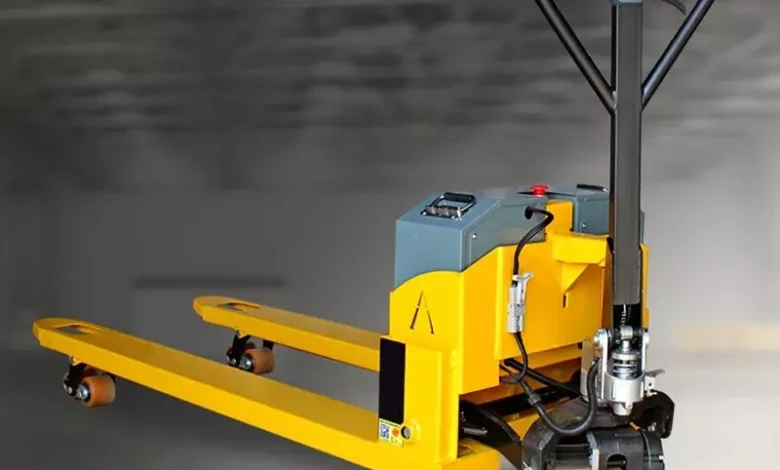
A busy facility depends on predictable movement between receiving, storage, production, and dispatch. A hydraulic pallet truck gives staff a direct way to raise palletised goods slightly and guide them across suitable floors, without starting a powered vehicle for every short transfer. Its value comes from straightforward controls, compact dimensions, and the ability to work in spaces where larger machines may be inconvenient. Chandigarh Engineering Corp helps businesses consider handling equipment in relation to their loads, floor conditions, and daily routines. It also supports orderly workflows during periods of changing demand.
Build a Clear Movement Plan Before Buying
Supervisors should document the route and review it whenever storage locations change. This simple step keeps traffic patterns visible and helps identify pinch points before equipment enters service.
A hydraulic pallet truck is most useful when the route is relatively short, the surface is firm and level, and the load remains stable on a compatible pallet. If the journey includes steep ramps, broken concrete, or long outdoor stretches, assess another transport method. Matching the equipment to the route prevents avoidable strain and delays.
For frequent transfers, a hydraulic pallet truck should feel predictable under the expected load. Ask operators to test steering and control reach with an unloaded unit before routine use.
Hydraulic Pallet Truck Specifications That Shape Performance
Capacity is an essential starting point, but it is not the only measurement that matters. Check the maximum load, fork length, fork spacing, overall width, lowered fork height, and maximum lift.
Wheel selection also affects handling. Different materials offer different levels of floor protection, rolling resistance, and noise. Ask about steering wheels and load rollers separately, because each performs a different job. Inspect handle height and control placement as well. A hydraulic pallet truck should allow the operator to steer and lower loads without awkward movements.
Check whether a hydraulic pallet truck can approach the loading face squarely. Poor alignment may damage pallet boards or place uneven pressure on the forks.
Fit the Equipment to the Goods
Pallets vary in construction and condition. Some have closed bases, damaged boards, or unusual entry points. Measure the pallets used most often rather than relying on a standard size assumption. Check that forks can enter fully and support the load evenly.
Boxes should be stacked securely, weight should be distributed across the pallet, and loose items should be restrained. An off-centre load can affect stability during movement. A hydraulic pallet truck cannot correct poor packaging, so prepare each pallet before lifting it.
Where the Equipment Fits Into Daily Operations
Receiving teams can move deliveries from a designated unloading area to a checking zone. Stockroom staff can reposition goods before shelving, while dispatch teams can bring completed orders towards staging areas.
A hydraulic pallet truck can reduce repeated manual lifting during these transfers. However, it still depends on the operator’s physical effort to pump, steer, and move the load. For continuous high-volume travel or elevated stacking, a powered alternative may be more appropriate.
In a compact stockroom, a hydraulic pallet truck may be easier to position than larger handling equipment. Still, leave enough clearance for safe turns and pedestrian movement.
Operator Preparation and Safe Handling
Training should cover the specific model, not just general warehouse rules. Staff need to understand the rated capacity, controls, inspection points, and site restrictions. Before moving anything, they should check the pallet, confirm the route is clear, and make sure the load will not obstruct their view.
Move at a controlled pace, avoid sudden direction changes, and never allow anyone beneath raised forks. Do not carry people or exceed the manufacturer’s guidance for slopes. When parking, lower the forks fully and leave the unit where it will not block walkways, fire equipment, or exits.
A hydraulic pallet truck should be removed from service if controls fail, a leak appears, or a structural defect is found. Report the issue and arrange an inspection by a qualified person.
Maintenance That Prevents Disruption
Set a routine for checking the frame, forks, welds, wheels, handle, and hydraulic system. Look for cracks, bending, loose fasteners, worn rollers, and fluid leaks. Test lifting and lowering as directed by the manufacturer, and do not investigate a suspected hydraulic fault while the equipment carries a load.
Clean away dust and debris that can collect around wheels and joints. Lubricate only the specified points, using recommended products. Keep a service record with inspection dates, faults, repairs, and replaced parts. Consistent attention helps keep a hydraulic pallet truck ready for its intended workload.
Additional Care When Moving Battery Loads
Some industrial premises transfer Lead Acid Batteries for servicing, storage, or recycling. These units can be heavy and may contain corrosive electrolyte. Staff should assess packaging, weight, terminal protection, and the possibility of leakage before moving them. Use a suitable pallet and an approved handling procedure, secure units against tipping, and follow site rules for protective equipment, ventilation, and spill response. Confirm that the equipment capacity and load arrangement meet manufacturer instructions.
A Practical Checklist for Equipment Procurement
Compare more than the purchase price. Review the rated capacity, fork measurements, wheel materials, hydraulic components, warranty conditions, service access, and availability of replacement parts.
Choose a hydraulic pallet truck with service arrangements that suit the site’s operating hours. Delayed repairs can interrupt dispatch schedules and create avoidable handling work.
Before deployment, test the hydraulic pallet truck in its intended aisle. Confirm the hydraulic pallet truck turns without striking racks, stored goods, or pedestrian barriers, even when the route is busy.
Chandigarh Engineering Corp can discuss the working conditions that influence equipment selection. Share pallet dimensions, load weights, floor details, and expected usage frequency. This information gives the supplier a clearer picture of the task and helps avoid unsuitable choices.
A hydraulic pallet truck should be selected for real operating conditions rather than occasional assumptions. Review the operating manual and arrange staff training before introducing equipment.
Conclusion
Good material flow begins with sensible planning. A hydraulic pallet truck can help teams transfer compatible pallets through suitable work areas while limiting unnecessary manual lifting. Its usefulness depends on correct dimensions, stable loads, trained operators, and regular inspection. Businesses can discuss their requirements with Chandigarh Engineering Corp and compare equipment specifications before introducing a model into daily operations.