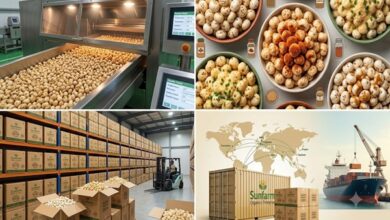
Spice manufacturing requires coordinated equipment, reliable processing, and a workflow that can support changing production demands. Businesses evaluating a Masala Plant Machine Manufacturer often need more than individual grinding equipment. They must consider cleaning, drying, grinding, mixing, sieving, conveying, and packing stages together. Radhe Food Processing Machinery provides practical machinery solutions for food processing businesses seeking organized spice production. A complete plant can reduce manual handling, improve flow, and maintain repeatable results. Therefore, buyers should assess capacity, product requirements, available space, power supply, maintenance needs, and future expansion before finalizing their processing setup.
Building a Better Spice Processing Workflow
A spice plant works best when every stage connects logically. Raw spices may require cleaning before drying and grinding, followed by sieving, blending, and packaging. A planned arrangement reduces unnecessary movement and helps operators maintain smoother production cycles.
When discussing plant design, a Masala Plant Machine Manufacturer can consider the sequence of operations, ingredient characteristics, expected output, and available floor area. This approach helps businesses select equipment that works as a coordinated system instead of isolated machines.
Equipment Selection for Plant-Level Production
Different spices behave differently during processing, so a Masala Plant Machine Manufacturer must account for these variations. Chilli, coriander, turmeric, cumin, and pepper can vary in hardness, moisture, oil content, and grinding behavior. Consequently, machinery should suit the specific products being handled.
A suitable Masala Plant Machine Manufacturer can discuss equipment combinations according to production goals. Buyers should review feeding arrangements, grinding capacity, sieving requirements, mixing needs, and material handling.
Masala Plant Machine Manufacturer and Capacity Planning
Capacity planning should begin with realistic production requirements. Businesses need to estimate daily output, batch sizes, operating hours, and seasonal demand. Choosing equipment only because it has a high advertised capacity can create unnecessary costs or operational challenges.
A Masala Plant Machine Manufacturer can help match equipment capacity with actual workload. Small processors may prioritize compact layouts, while established manufacturers may require larger systems and continuous material movement. Flexible planning also leaves room for future product additions.
Improving Grinding Consistency Across Batches
Consistent powder quality is important for commercial spice production. Particle size can influence appearance, blending, packaging, and customer expectations. Therefore, grinding equipment should operate under controlled conditions and receive regular attention.
An integrated plant can make processing more organized. A Masala Plant Machine Manufacturer may recommend suitable grinding stages based on the ingredients and desired fineness. Proper feeding, suitable settings, and clean product-contact areas can further support repeatable output.
One Supporting Machine Within the Plant
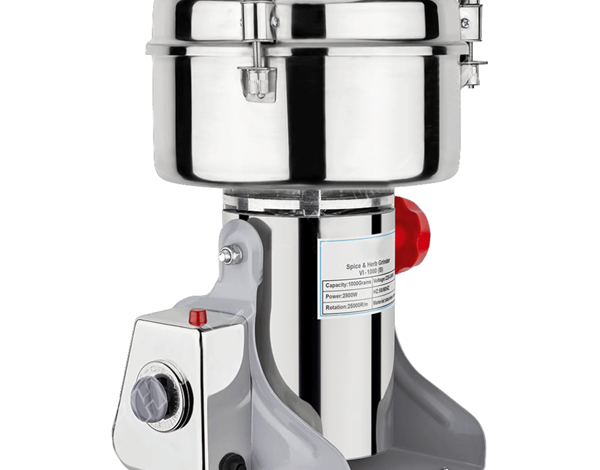
A Double Stage Pulverizer Machine can be included in a broader powder-processing setup when its application matches the ingredients and required fineness. Its role should be evaluated alongside feeding, grinding, sieving, and material-handling stages. Businesses should consider capacity, product characteristics, maintenance access, and workflow compatibility before adding supporting equipment. A coordinated system can reduce unnecessary handling and help maintain a practical production sequence.
Hygiene and Maintenance in Spice Plants
Food processing requires consistent cleaning and maintenance routines. Product-contact areas should be cleaned appropriately, while operators should inspect components that experience regular wear. Scheduled checks can identify unusual vibration, noise, reduced output, or other changes before they interrupt production.
A dependable Masala Plant Machine Manufacturer can provide guidance on maintenance practices and operating procedures. Easy access to important components can also reduce service time. Furthermore, organized cleaning routines help businesses maintain a more controlled processing environment.
Space, Utilities, and Installation Considerations
Plant planning by a Masala Plant Machine Manufacturer should account for more than machine dimensions. Electrical requirements, ventilation, operator movement, storage areas, access routes, and material flow all influence the final layout. Adequate space around equipment can make inspection and cleaning easier.
Before installation, a Masala Plant Machine Manufacturer can review available infrastructure and production needs. This helps businesses prepare the site. Clear planning can also prevent avoidable layout changes after machinery arrives.
Selecting a Partner for Long-Term Production
Equipment selection should consider long-term operation rather than only the initial purchase. Buyers can review construction quality, technical specifications, service support, spare-part availability, maintenance requirements, and equipment compatibility.
Radhe Food Processing Machinery can support businesses exploring machinery for spice processing applications. Working with a Masala Plant Machine Manufacturer that understands complete workflows can help buyers coordinate different processing stages. This approach can make expansion and future equipment planning more manageable.
Creating Room for Business Growth
A spice business may begin with a limited product range and later add new blends or increase output, making a Masala Plant Machine Manufacturer useful for scalable planning. Plant planning should therefore allow reasonable flexibility. Modular equipment choices, suitable material handling, and thoughtful space allocation can support future changes.
With guidance from a Masala Plant Machine Manufacturer, businesses can consider current requirements alongside potential growth. This helps avoid selecting equipment that becomes unsuitable as production expands. A scalable approach can also simplify future upgrades.
Conclusion
A well-planned spice plant combines suitable machinery, efficient movement, maintenance, and consistent operating procedures. Businesses should evaluate ingredients, capacity, layout, utilities, hygiene, automation, and future expansion before making equipment decisions.
Choosing an experienced Masala Plant Machine Manufacturer can help businesses build a processing setup around their actual production goals. Radhe Food Processing Machinery offers machinery solutions for food processing applications, supporting businesses that want organized spice production. A Masala Plant Machine Manufacturer can support plant expansion. With thoughtful planning and maintenance, a spice plant can provide dependable processing performance while creating a foundation for sustainable growth.