The spice industry is one of the fastest-growing sectors in food processing. Manufacturers constantly seek advanced solutions to improve productivity, maintain quality, and reduce operational costs. A reliable production setup can help businesses meet increasing market demand while ensuring consistent product quality. In today’s competitive environment, investing in a modern Masala Making Plant helps companies streamline production processes and achieve better efficiency. With the right equipment and technology, manufacturers can produce a wide range of spice powders while maintaining hygiene and precision.
Importance of Advanced Spice Processing Equipment
Spice processing requires careful handling to preserve aroma, flavor, and texture. Traditional methods often lead to inconsistent quality and lower output. Modern machinery offers improved control over grinding, mixing, and packaging processes.
Many food processing businesses are adopting a Masala Making Plant because it simplifies production and reduces manual labor. Automated systems also help maintain uniform particle size, ensuring that every batch meets industry standards. As customer expectations continue to rise, efficient machinery becomes a valuable investment for long-term growth.
Key Components of a Modern Processing System
A complete spice processing setup consists of several interconnected machines that work together efficiently. These machines handle different stages of production, from raw material preparation to final packaging.
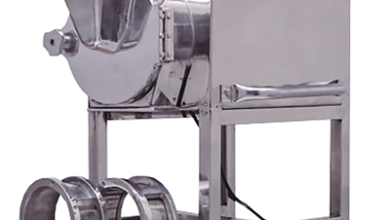
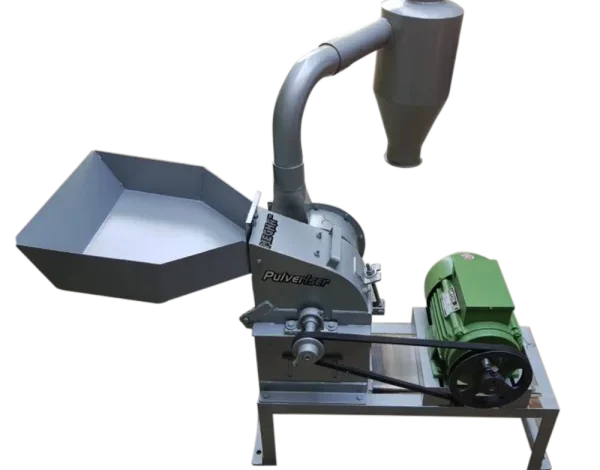
The performance of a Masala Making Plant depends on the quality of its components. Common equipment includes cleaning machines, grinders, pulverizers, mixers, conveyors, and packaging units. Each machine plays a critical role in maintaining productivity and product consistency. When integrated properly, these systems deliver smooth and uninterrupted operations.
Benefits of Automation in Spice Manufacturing
Automation has transformed the food processing industry by improving efficiency and reducing production errors. Businesses that invest in advanced machinery often experience significant improvements in overall performance.
Using a Masala Making Plant allows manufacturers to increase production capacity without compromising quality. Automated systems reduce human intervention, improve hygiene standards, and minimize material wastage. Furthermore, production monitoring becomes easier, enabling operators to maintain optimal performance throughout the manufacturing cycle.
Maintaining Product Quality and Consistency
Consistency is essential for building customer trust and strengthening brand reputation. Consumers expect the same flavor and texture every time they purchase a spice product.
A well-designed Masala Making Plant helps achieve this consistency by controlling grinding and blending processes accurately. Uniform processing ensures that spices retain their natural characteristics while meeting quality standards. In addition, advanced machinery supports better cleanliness, reducing the risk of contamination during production.
Applications Across Different Industries
Spice powders are widely used in households, restaurants, hotels, food manufacturing units, and export businesses. As demand continues to grow, manufacturers require scalable solutions that can support larger production volumes.
Many companies choose a Masala Making Plant because it can process various spices such as turmeric, chili, coriander, cumin, and blended seasonings. This flexibility allows businesses to diversify their product range and cater to different customer preferences while maintaining operational efficiency.
Choosing the Right Equipment Manufacturer
Selecting a trusted machinery provider is an important decision for any food processing business. The quality of equipment directly affects production efficiency, maintenance costs, and product quality.
Radhe Food Processing Machinery is known for delivering reliable solutions tailored to industry requirements. Businesses looking for a dependable Masala Making Plant should evaluate factors such as machine durability, technical support, energy efficiency, and customization options. Working with an experienced manufacturer ensures smoother operations and better long-term returns.
Role of Vegetable Preparation Equipment
Food processing facilities often handle multiple production activities, making versatility important. A vegetable cutting machine plays a valuable role in preparing vegetables quickly and accurately for various food manufacturing applications. By reducing manual effort and improving cutting consistency, this equipment enhances productivity while maintaining hygiene standards. Businesses that process vegetables alongside spices can benefit from streamlined operations and better resource utilization through modern cutting technology.
Cost Efficiency and Operational Advantages
Reducing operational expenses is a priority for every manufacturer. Modern machinery helps businesses optimize resources while improving productivity levels.
Investing in a Masala Making Plant can lower labor costs, reduce material waste, and improve energy utilization. These advantages contribute to higher profitability over time. Additionally, automated systems require less manual supervision, allowing businesses to allocate resources more effectively and focus on growth opportunities.
Future Trends in Spice Processing
The food processing industry continues to evolve with technological advancements. Smart automation, energy-efficient equipment, and digital monitoring systems are becoming increasingly popular among manufacturers.
A modern Masala Making Plant equipped with advanced features enables businesses to remain competitive in a rapidly changing market. Real-time monitoring, improved safety standards, and enhanced process control help manufacturers achieve greater operational efficiency. As consumer demand for high-quality spice products grows, technology-driven solutions will play an even more significant role.
Why Businesses Prefer Modern Processing Solutions
Manufacturers need equipment that delivers reliability, efficiency, and scalability. Advanced machinery supports production goals while ensuring compliance with food safety standards.
The growing popularity of the Masala Making Plant reflects its ability to meet industry demands effectively. Businesses can achieve higher output, maintain quality consistency, and expand production capabilities without significant operational challenges. These benefits make modern processing systems a strategic investment for both small and large manufacturers.
Conclusion
Success in the spice processing industry depends on efficiency, quality, and the ability to adapt to changing market demands. Businesses that invest in advanced equipment gain a competitive advantage through improved productivity and consistent output. Choosing a high-performance Masala Making Plant from Radhe Food Processing Machinery can help manufacturers optimize operations, reduce costs, and deliver superior products. With growing demand for processed spices worldwide, adopting modern technology is a smart step toward sustainable business growth.