
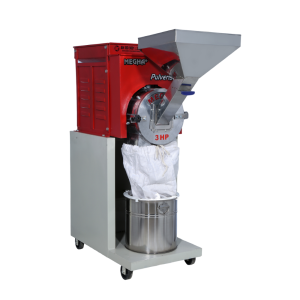
A well-planned powder processing setup needs equipment that handles grinding with steady performance and practical controls. In food and spice operations, a Ms 2 in 1 Pulverizer Machine can combine useful processing functions within a compact arrangement, helping businesses manage space while maintaining an organized workflow. Radhe Food Processing Machinery offers machinery for different production environments, where material type, desired fineness, batch size, and operating conditions guide selection. Instead of treating pulverizing as one isolated step, processors can assess the full material journey, from feeding and grinding to collection and cleaning, before choosing equipment.
Compact Design for Busy Processing Floors
Floor space can influence machinery decisions, especially where operations share one area. A Ms 2 in 1 Pulverizer Machine can support a streamlined layout by bringing two related functions into one setup. This arrangement may reduce movement and simplify the working area. However, compactness should not replace practical access. Operators need room for feeding, inspection, and maintenance. Therefore, machine placement should follow material flow while leaving clear working space around essential components.
Grinding Action and Material Behavior
Every raw material responds differently during size reduction. Spices, grains, herbs, pulses, and other dry ingredients vary in hardness, moisture, texture, and oil content. These properties affect feeding speed, grinding response, and particle size. A Ms 2 in 1 Pulverizer Machine should therefore be assessed against the materials it will process regularly. Operators can begin with the output specification, then consider screen selection and feeding practices. This approach connects equipment capability with actual production requirements.
Ms 2 in 1 Pulverizer Machine and Output Control
Uniform powder can make downstream filling, blending, or packaging easier. For that reason, output control deserves attention during equipment planning. A Ms 2 in 1 Pulverizer Machine can suit processors seeking a practical system for reducing particle size across suitable dry materials. The result depends on material condition, screen configuration, feed rate, and operating discipline. Rather than relying on capacity alone, teams should keep preparation and feeding consistent.
Feeding Practices Shape Daily Performance
Feeding directly affects grinding stability. Irregular loading can create uneven processing and unnecessary strain, while controlled feeding can maintain a steadier flow. Operators should prepare raw materials properly before introducing them into the Ms 2 in 1 Pulverizer Machine. Foreign matter, excessive moisture, or unsuitable pieces can interfere with normal operation. The feeding routine should reflect the intended function and material characteristics. Clear instructions help workers follow the same procedure.
Specialist Input for Better Equipment Selection
Equipment selection becomes easier when technical discussion focuses on real production conditions. A Masala Making Machine Manufacturer may provide useful knowledge about spice processing environments, yet the final pulverizer decision should remain tied to material behavior, desired fineness, production volume, and available workspace. Radhe Food Processing Machinery can help businesses examine these practical factors before integrating machinery into a processing line. This supports organized equipment planning.
Maintenance Access and Cleanliness
Regular cleaning matters because residual powder can affect hygiene, product changeovers, and equipment performance. Maintenance becomes simpler when operators can reach important areas around the Ms 2 in 1 Pulverizer Machine without disrupting production. The equipment should be incorporated into a routine covering inspection, cleaning, tightening, and replacement of worn components when necessary. Checklists can help teams complete these activities. Scheduled attention may also identify small issues early.
Capacity Should Match Production Rhythm
Higher capacity is not automatically better for every processor. If incoming volumes are modest, oversized equipment may remain underused while occupying valuable floor space. Conversely, a small system may struggle when demand increases. A Ms 2 in 1 Pulverizer Machine should therefore be evaluated against realistic batch sizes, operating hours, expected growth, and material turnover. These factors help businesses match equipment to production rhythm.
Practical Benefits for Dry Products
Dry food ingredients often require different degrees of size reduction before blending, seasoning, filling, or packaging. The Ms 2 in 1 Pulverizer Machine can support suitable product categories when its configuration matches the material. Processors can evaluate its usefulness for spices, grains, herbs, and similar dry ingredients according to their conditions. Controlled trials can further clarify whether the desired texture and throughput can be achieved consistently.
Building an Organized Processing Line
Good equipment selection connects the Ms 2 in 1 Pulverizer Machine with people, materials, space, and procedures. Instead of viewing pulverizing as an isolated activity, processors can map each stage and identify delays or unnecessary handling. A Ms 2 in 1 Pulverizer Machine may contribute to a compact arrangement when its functions align with that workflow. Clear feeding instructions, accessible cleaning points, suitable collection methods, and routine inspections can then support dependable operation. This systems-based approach also provides a practical framework for future improvements. This supports consistent daily powder handling practices.
Conclusion
Selecting grinding equipment requires attention to more than size and capacity. Material characteristics, output expectations, floor layout, feeding habits, cleaning access, and production rhythm all influence the decision. A Ms 2 in 1 Pulverizer Machine can serve as a practical option for suitable dry processing applications when these factors are reviewed together. Radhe Food Processing Machinery emphasizes application-focused planning so businesses can connect equipment choices with real operating conditions. With a balanced setup and disciplined procedures, processors can create an efficient workflow while maintaining careful attention to product handling and machine care.