
Modern industrial operations depend on dependable energy sources for equipment, backup systems, and material handling applications. Lead Acid Batteries remain widely considered for situations where proven technology, practical maintenance, and dependable power are important. Their established design makes them suitable for several commercial and industrial uses. Chandigarh Engineering Corp helps businesses evaluate battery requirements according to application, capacity, charging practices, operating cycles, and installation conditions. A thoughtful selection process can improve reliability while helping users manage maintenance needs, replacement schedules, and overall operating costs. Proper care also supports consistent performance throughout the battery’s useful service life.
Understanding Lead Acid Batteries
Lead Acid Batteries use lead-based plates and an electrolyte to store and release electrical energy. Their established construction has supported industrial applications for decades. Different designs can serve starting, deep-cycle, standby, and traction requirements.
When selecting a battery, businesses should understand the intended duty cycle. Equipment that demands frequent charging and discharging may require different specifications from a backup system that remains mostly on standby. Matching the battery to its application can support dependable results.
Capacity and Application Planning
Battery capacity should reflect the equipment’s energy requirements and expected operating period. Choosing capacity without considering actual usage can lead to unnecessary costs or reduced runtime.
Businesses reviewing Lead Acid Batteries can examine voltage, amp-hour capacity, discharge characteristics, physical dimensions, and connection requirements. A suitable specification balances runtime, compatibility, and maintenance needs.
Industrial Uses and Everyday Reliability
Many facilities require stored electrical power for equipment that cannot depend entirely on direct electrical supply. Warehouses, workshops, backup systems, renewable energy installations, and industrial machinery may use suitable battery technologies for different purposes.
For these applications, Lead Acid Batteries can provide a familiar power solution. Their established availability can simplify sourcing and replacement planning. However, businesses should still compare technical requirements before purchasing because operating conditions vary considerably from one facility to another.
Charging Practices That Matter
Charging directly affects battery performance and service life. A suitable charger should match the battery’s voltage and chemistry. Operators should follow recommended charging procedures rather than relying on improvised settings.
Facilities using Lead Acid Batteries should maintain a ventilated charging area. Charging schedules should reflect equipment usage. Overcharging, undercharging, or repeated incomplete charging can contribute to performance problems and premature wear.
Maintenance and Inspection Routine
Regular maintenance can help identify issues before they interrupt operations. Inspection routines may include checking terminals, connections, casing condition, electrolyte levels where applicable, and signs of corrosion.
Businesses using Lead Acid Batteries should keep maintenance records for each battery or equipment unit. These records can help identify recurring issues and establish replacement schedules. Clean connections and appropriate maintenance practices can also support efficient electrical transfer.
Forklift Batteries and Material Handling Needs
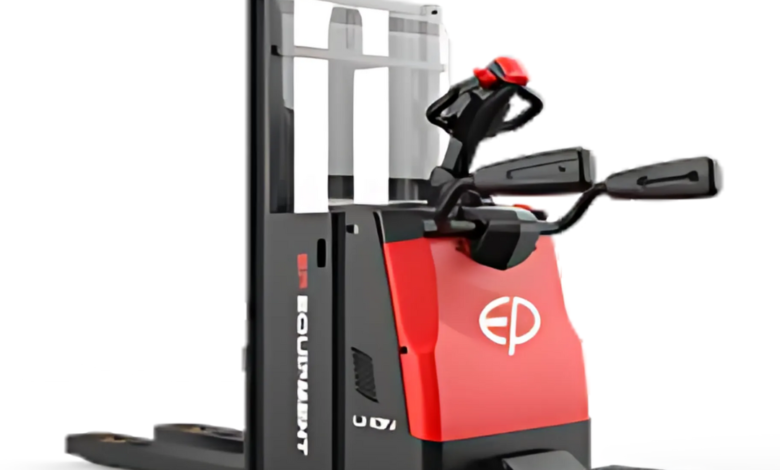
Businesses researching Forklift Batteries should consider capacity, voltage, dimensions, charging requirements, operating cycles, and compatibility with the specific forklift. Suitable batteries support dependable material movement. Charging areas should remain organized, ventilated, and managed according to manufacturer instructions. Regular inspections also help operators identify visible damage, connection problems, or other issues before continued use.
Safety During Battery Handling
Battery handling requires appropriate workplace procedures. Personnel should use suitable protective equipment and follow established instructions for charging, inspection, movement, and storage. Work areas should remain clean and free from unnecessary obstructions.
When handling Lead Acid Batteries, businesses should provide training on safe practices and emergency procedures. Battery terminals should be protected from accidental contact. Proper storage and careful handling can reduce avoidable workplace risks.
Selecting the Right Battery Configuration
Battery design should align with equipment requirements. Some applications need high current for short periods, while others need sustained energy delivery across extended operating cycles. Physical dimensions can also affect installation.
When comparing Lead Acid Batteries, buyers should verify terminal layout, enclosure dimensions, voltage, capacity, and intended application. Supplier guidance can help confirm compatibility. Accurate equipment information makes the purchasing process more efficient and reduces the possibility of ordering an unsuitable replacement.
Improving Lead Acid Batteries Service Life
Battery life depends on usage patterns, charging practices, maintenance, temperature, and storage conditions. Consistent operation can reduce unnecessary stress.
Businesses can extend the useful period of Lead Acid Batteries by following recommended charging procedures, maintaining clean connections, preventing prolonged improper storage, and conducting regular inspections. Operators should also avoid using batteries beyond their intended application or rated conditions.
Choosing a Dependable Equipment Partner
Selecting suitable batteries becomes easier when suppliers understand the complete application. Companies should provide equipment, duty cycle, power, and installation details.
Chandigarh Engineering Corp can help businesses review battery requirements and related material handling considerations. Businesses can use technical specifications and application details to create a more informed purchasing process. Clear communication also helps with replacement planning and maintenance support.
Cost and Replacement Considerations
Initial purchase price does not represent the entire cost of battery ownership. Charging requirements, maintenance, replacement frequency, downtime, and installation can affect long-term expenses.
A careful review of Lead Acid Batteries should therefore include total ownership considerations. Businesses can compare Lead Acid Batteries by expected service requirements and operational needs. Keeping records of battery performance can also help identify when replacement becomes more practical than continued maintenance.
Conclusion
Reliable stored power depends on correct specification, suitable charging, regular inspection, safe handling, and appropriate operating conditions. Businesses considering Lead Acid Batteries can evaluate voltage, capacity, application, maintenance needs, environment, service support, and ownership costs before making a purchase. Chandigarh Engineering Corp can assist with equipment and battery considerations for industrial applications. With organized maintenance and responsible operating practices with Lead Acid Batteries, suitable battery systems can support consistent performance and help businesses manage essential equipment more effectively.