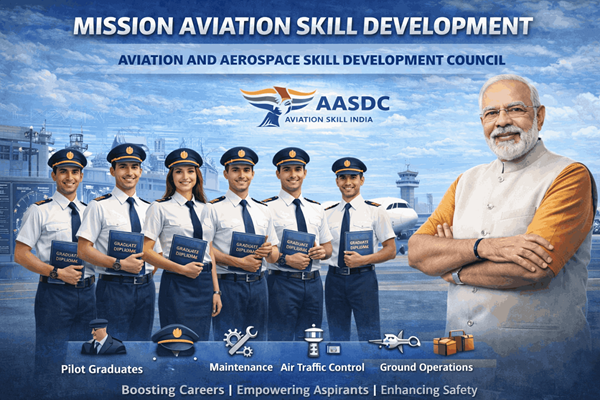
Aviation requires disciplined learning, technical awareness, practical preparation, and a strong commitment to safety. For aspiring pilots, a Pilot Academy can provide a structured environment where students develop essential knowledge before progressing toward professional flight responsibilities. Aviation_aasdc focuses on organized aviation education that connects classroom learning with practical career awareness. Students can study navigation, meteorology, aircraft systems, aviation regulations, communication, and flight planning while building professional habits. A clear training pathway also helps learners understand examination preparation, operational discipline, and the importance of continuous learning throughout a demanding aviation career.
Understanding Pilot Academy Training
Pilot education combines theoretical study, practical preparation, and professional development. Students evaluating a Pilot Academy should examine the curriculum, learning resources, instructor experience, training structure, and career guidance available. A well-organized program introduces subjects progressively, allowing learners to strengthen fundamental concepts before moving toward advanced aviation knowledge.
Core Subjects for Future Pilots
Aviation students need knowledge across several interconnected subjects. A Pilot Academy can introduce air navigation, meteorology, aircraft technical knowledge, aviation regulations, human performance, and flight planning. These subjects help learners understand how different factors influence flight operations. Regular revision can make technical information easier to understand and apply.
Safety and Operational Discipline
Safety is central to every aviation career. Students must understand checklists, standard operating procedures, communication protocols, risk awareness, and responsible decision-making. A Pilot Academy can reinforce these principles through structured lessons and realistic operational scenarios. Early discipline helps learners approach practical training with greater awareness.
DGCA Ground Classes
DGCA Ground Classes can support learners preparing for relevant aviation examinations and strengthen their theoretical foundation. Before choosing a program, students should review the current syllabus, eligibility requirements, examination structure, faculty experience, course duration, and learning schedule. Organized preparation can help learners manage navigation, meteorology, regulations, and technical subjects through consistent study and revision.
Navigation and Flight Planning Skills
Navigation helps pilots understand routes, headings, distances, positions, and planned flight paths. Flight planning brings these concepts together through careful preparation and accurate calculations. A Pilot Academy can explain navigation principles using charts, exercises, examples, and structured revision. This preparation supports situational awareness during flight operations.
Meteorology and Weather Awareness
Weather conditions can affect visibility, aircraft performance, routing, and operational decisions. Students therefore need a practical understanding of forecasts, pressure systems, wind, clouds, temperature, and other meteorological factors. A Pilot Academy can connect classroom theory with realistic weather scenarios, helping learners recognize why reliable weather information is important for safe and informed flight planning.
Aircraft Systems and Technical Knowledge
Pilots need a clear understanding of the aircraft they operate. Training may cover engines, instruments, flight controls, electrical systems, fuel systems, and other essential components. A Pilot Academy can organize technical subjects through diagrams, structured lessons, demonstrations, and revision activities. This knowledge supports better system awareness and helps learners understand how different aircraft components contribute to safe operations.
Communication and Decision-Making
Clear communication supports coordination with air traffic control, crew members, airport personnel, and other aviation professionals. Pilots also need to evaluate information carefully and make appropriate decisions when conditions change. A Pilot Academy can develop these abilities through communication practice, scenario discussions, presentations, and operational exercises. Strong communication and thoughtful decision-making can support professional performance throughout a pilot’s career.
Practical Learning at Aviation_aasdc
Aviation_aasdc supports learners through structured aviation education focused on technical knowledge, professional habits, and career preparation. Students considering a Pilot Academy can benefit from learning that connects important concepts with practical aviation situations. Regular exercises can help learners identify weaker areas and improve their study methods. It also connects classroom knowledge with operational responsibilities.
Choosing the Right Aviation Program
Before enrolling, students should compare curriculum coverage, instructor qualifications, learning facilities, training resources, practical exposure, course structure, and career support. A Pilot Academy should clearly explain its learning objectives and expected outcomes. Learners can also check whether the program includes assessments, revision opportunities, doubt clarification, and guidance for future aviation pathways. Clear information makes selection easier.
Professional Skills Beyond Flight Knowledge
Technical subjects form only part of pilot preparation. Students also need teamwork, time management, adaptability, attention to detail, communication, and professional responsibility. A Pilot Academy can encourage these qualities through group activities, presentations, assignments, and operational discussions. These habits can improve workplace awareness and responsibility.
Continuing Development in Aviation
Aviation continues to evolve through new technology, updated procedures, changing regulations, and improved operational practices. A Pilot Academy can establish a strong educational foundation, while independent learning helps students maintain and expand their knowledge. Reading aviation updates, reviewing procedures, practicing communication, and maintaining regular study habits can support long-term professional development and readiness for changing responsibilities.
Career Preparation and Professional Confidence
A structured aviation program can help students organize their goals and understand the stages involved in professional pilot development. A Pilot Academy may support learners by encouraging consistent study, practical awareness, communication skills, and responsible decision-making. Regular practice can strengthen confidence. A focused approach turns theory into useful professional capabilities.
Conclusion
Choosing suitable aviation education requires attention to curriculum quality, safety principles, practical preparation, technical subjects, and professional development. A Pilot Academy can help aspiring pilots build knowledge across navigation, meteorology, aircraft systems, regulations, communication, and flight planning. Aviation_aasdc provides structured aviation learning for career awareness. By combining disciplined study, regular practice, and continuous learning, students can develop foundations for future aviation opportunities and approach professional pilot responsibilities with greater confidence and awareness.