
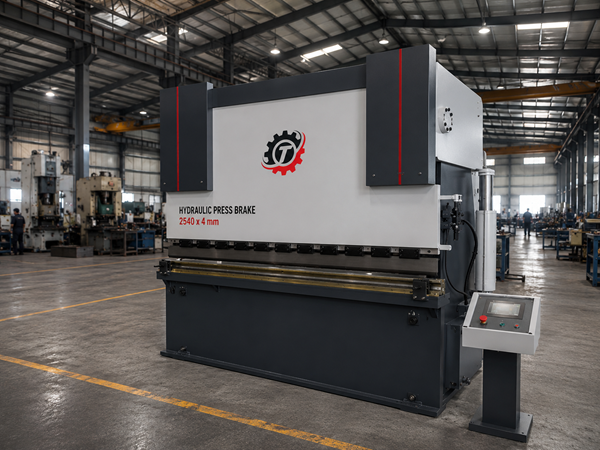
Modern metal fabrication requires equipment that delivers accuracy, consistency, and reliable performance. For this reason, manufacturers often consider Press Brake Hydraulic systems when they need controlled bending for different metal components. These machines use hydraulic power to generate force, allowing operators to shape sheets and plates according to specific production requirements. As a result, they can support efficient manufacturing across several industries. Trufmac Global provides industrial machinery solutions designed around practical production needs. Moreover, choosing suitable bending equipment can improve workflow, reduce processing delays, and support consistent product quality. Therefore, businesses should understand machine capacity, features, applications, and maintenance requirements before investing.
What Makes Press Brake Hydraulic Systems Useful?
A Press Brake Hydraulic machine combines a rigid structure with a hydraulic mechanism that controls bending force. This arrangement allows operators to process metal with greater control and repeatability. In addition, hydraulic operation can provide smooth movement throughout the bending cycle. Manufacturers can use suitable tooling to produce different angles, profiles, channels, and components. Consequently, one machine can support multiple fabrication requirements. When businesses select a Press Brake Hydraulic solution according to their material thickness and production volume, they can improve equipment utilization. Furthermore, accurate force control can help reduce inconsistent bends and unnecessary material waste during regular manufacturing operations.
Key Features of Press Brake Hydraulic Equipment
The performance of Press Brake Hydraulic equipment depends on several important features. A strong frame provides stability during operation, while the hydraulic system generates the required pressing force. Modern configurations may include user-friendly controls, adjustable stroke settings, accurate positioning systems, and flexible tooling options. These features can make production easier and more repeatable. In addition, buyers should evaluate maximum bending length, pressure capacity, throat depth, stroke length, and working height. The right Press Brake Hydraulic model should match the materials and component dimensions used in the facility. Therefore, careful specification comparison can help manufacturers select equipment that delivers practical performance without unnecessary operating limitations.
Applications of Press Brake Hydraulic Machines
Manufacturers use Press Brake Hydraulic machines in many metalworking applications. Automotive component production, electrical enclosures, machinery manufacturing, construction equipment, and general fabrication can all require precise bending. For example, operators can form brackets, panels, channels, frames, covers, and customized sheet metal profiles. Because applications differ, the machine must match the material type and thickness being processed. Proper tooling also influences the final result because different components may require different dies and punches. A Press Brake Hydraulic system can support both routine and specialized production when it is correctly configured. Consequently, businesses can improve flexibility while maintaining consistent bending quality across multiple projects.
Improving Production Efficiency
Production efficiency depends on reliable machinery, organized processes, and repeatable operations. A Press Brake Hydraulic system can contribute to these goals by providing controlled force and predictable movement during each bending cycle. Operators can establish suitable settings based on material specifications and production requirements. As a result, repeated components can achieve greater consistency. Moreover, efficient tooling arrangements can reduce setup time between different jobs. Businesses should also maintain organized material handling and production planning. When these practices work together, the Press Brake Hydraulic machine can become an important part of a productive fabrication workflow. Regular maintenance further helps prevent avoidable downtime and supports dependable machine performance.
Safety Considerations for Press Brake Hydraulic Systems
Safety should remain a priority when operating any industrial bending machine. Before using a Press Brake Hydraulic system, operators should receive appropriate training on controls, tooling, material placement, and emergency procedures. Suitable guarding and workplace practices can further reduce operational risks. Workers should keep their hands away from hazardous movement areas and follow established safety instructions. Additionally, operators should inspect the machine before production begins. Hydraulic leaks, damaged tooling, loose connections, and unusual sounds can indicate potential problems that require attention. By combining proper training with preventive maintenance, businesses can use Press Brake Hydraulic equipment more responsibly while protecting workers and reducing unnecessary production interruptions.
How to Choose the Right Press Brake Hydraulic
Selecting a Press Brake Hydraulic machine requires careful evaluation of production requirements. First, manufacturers should identify the metals they process and their typical thickness ranges. Next, they should determine required bending length, force, stroke, and working dimensions. Production volume also matters because high-output facilities may require advanced controls or faster operating cycles. Furthermore, available floor space should be considered before installation. Buyers should also review tooling compatibility and control features. Trufmac Global can help businesses assess machinery according to practical fabrication requirements. A detailed evaluation allows manufacturers to select Press Brake Hydraulic equipment that fits their current workflow while providing enough flexibility for future production needs.
Maintenance for Long-Term Performance
Proper maintenance plays an important role in preserving machine reliability. A Press Brake Hydraulic system should receive regular inspection according to recommended service procedures. Operators should monitor hydraulic components for leaks, examine connections, and check moving parts for signs of wear. Similarly, tooling should remain clean, correctly aligned, and suitable for the material being processed. Electrical and control components should also receive appropriate attention. Preventive maintenance can identify developing problems before they cause significant downtime. Furthermore, maintaining service records can help production teams track recurring issues and schedule necessary inspections. With responsible care, Press Brake Hydraulic equipment can provide stable performance and support long-term manufacturing productivity.
Rotary Tablet Press Machine
A Rotary Tablet Press Machine serves pharmaceutical manufacturing rather than metal fabrication. It compresses prepared pharmaceutical materials into tablets through repeated and controlled compression cycles. Manufacturers use this equipment when they require consistent tablet dimensions, weight, shape, and production output. Proper formulation, tooling, cleaning, inspection, and operating procedures are essential for dependable results. Although its purpose differs from industrial metal bending machinery, it also relies on controlled force and repeatable movement. Therefore, pharmaceutical manufacturers should select an appropriate configuration based on product requirements, production capacity, hygiene expectations, and applicable industry standards. Careful operation and maintenance remain important for reliable pharmaceutical manufacturing.
Benefits of Choosing Trufmac Global
Selecting an industrial machinery supplier involves more than comparing purchase prices. Manufacturers should consider specifications, technical assistance, service requirements, spare parts, and long-term operating value. Trufmac Global provides machinery solutions designed to address practical industrial applications. When evaluating Press Brake Hydraulic options, buyers can compare force capacity, working dimensions, controls, tooling, and intended production use. This approach helps businesses make informed equipment decisions. Moreover, suitable technical guidance can simplify installation, operator training, and routine maintenance. A carefully selected machine can improve workflow efficiency while helping businesses manage production demands. As fabrication requirements evolve, dependable equipment can provide valuable support for sustainable manufacturing operations.
Conclusion
Accurate bending equipment can significantly improve modern metal fabrication processes. A Press Brake Hydraulic system provides controlled force, repeatable movement, and flexible operation for businesses working with different metal components. However, successful equipment selection requires attention to material thickness, bending length, pressure capacity, controls, tooling, safety, and maintenance. Trufmac Global offers industrial machinery solutions for manufacturers seeking dependable production support. Furthermore, trained operators and scheduled servicing can help preserve equipment performance over time. By assessing present workloads and future production goals, businesses can choose Press Brake Hydraulic equipment that supports accurate fabrication, efficient workflows, consistent output, and long-term operational value.